GZERO AI
Europe hungers for faster chips
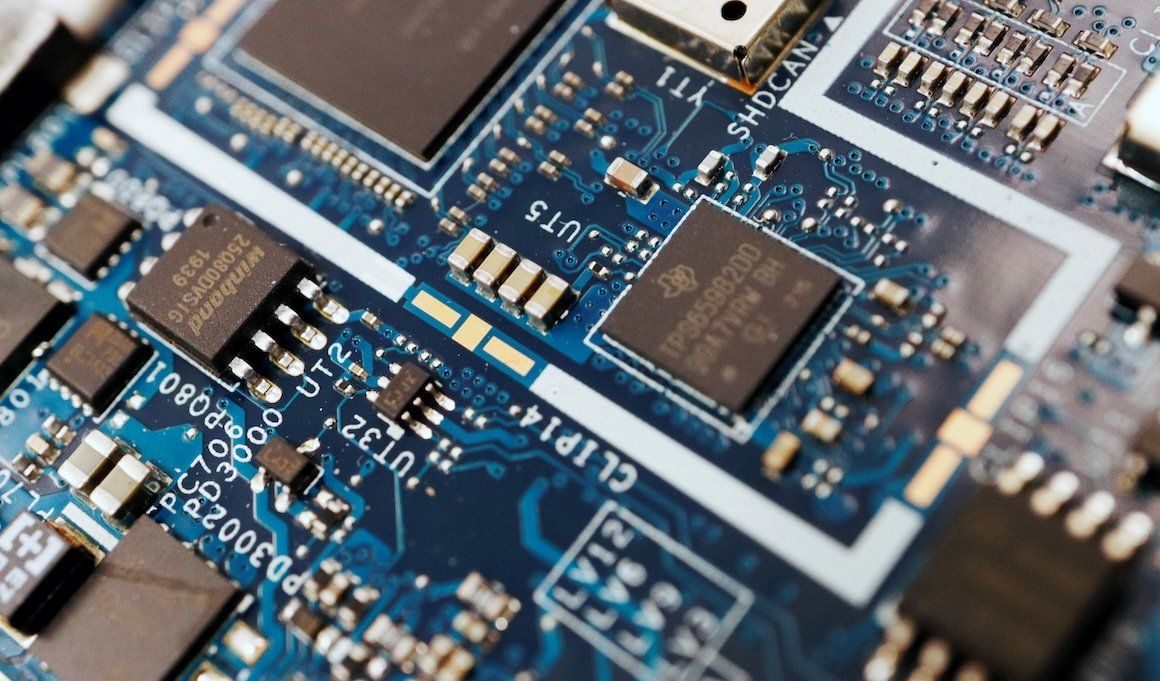
Semiconductor chips are seen on a circuit board of a computer in this illustration.
REUTERS/Florence Lo/Illustration
Semiconductor chips are seen on a circuit board of a computer in this illustration.
A coalition of nine European countries is discussing how to accelerate the continent’s chip independence, the group said on Friday.
France, Germany, Italy, the Netherlands, and Spain are involved in the discussions, which are plotting a second Chips Act, according to Dutch Economy Minister Dirk Beljaarts. The first European Chips Act went into effect in 2023, though Reuters notes it has so far “failed to meet key goals” to stimulate the European chip market. On Wednesday, the European Semiconductor Industry Association and SEMI Europe, both industry trade groups, publicly called for a new Chips Act.
The new initiative could target specific gaps in Europe’s industrial capacity. Europe has a grasp on research and development, and semiconductor equipment (such as the Dutch lithography powerhouse ASML) but needs to invest more in chip packaging and production, Beljaarts said. In September, Intel delayed plans to build a factory in Germany by at least two years. The coalition is planning to present its proposals to the broader European community this summer.Here we go again: Israel’s Knesset is once more considering a bill that would force certain ultra-Orthodox Jewish men, who are part of the Haredi sect, to serve in the military – just like the rest of the country.
Even though an energy corruption scandal is roiling his leadership, Ukrainian President Volodymyr Zelensky isn’t necessarily in a rush to accept a deal to end the Russia-Ukraine war – especially if the terms are unfavorable.
Ian Bremmer breaks down President Trump’s ultimatum to Venezuelan leader Nicolás Maduro, “leave with your family or be removed,” and why US military action now appears imminent.