News
Hard Numbers: COVID surges in Gotham, UK asylees arrive in Rwanda, Biden pivots to Asia, smugglers spin spider web
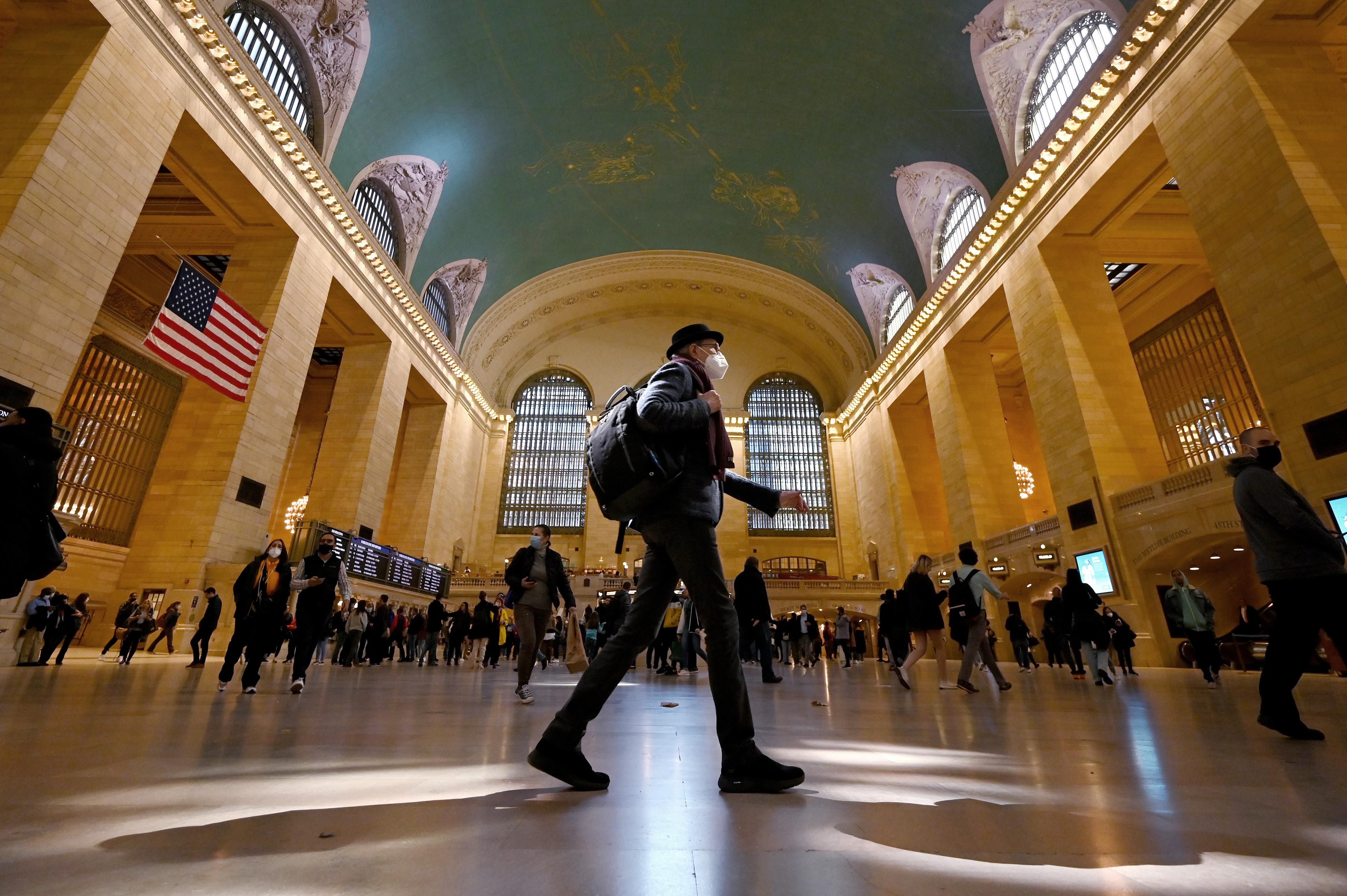
A man wears a mask walking through Grand Central Terminal in New York City.
Anthony Behar/Sipa USA via Reuters Connect
34: COVID infection rates in New York City have shot up 34% since May 1. Hospitalization rates are ticking up too, but remain far below earlier peaks. With much of the city vaccinated or recovered from previous infection (3/5 of Signal team has had it!), we’re hoping it stays that way. Mayor Eric Adams has vowed not to impose a new mask mandate.
50: Within days, Rwanda is set to receive the first group of 50 asylum seekers transferred from the UK. Under a controversial policy, London will send people who seek refuge in Britain to the East African country instead.
5: US President Joe Biden begins Friday a five-day trip to Asia, where he’ll visit key US allies Japan and South Korea, and join an in-person summit of the Quad, the US-India-Australia-Japan grouping that China doesn’t like one bit.
1,200: You may have heard about the illegal trade in exotic birds, or the lawless poaching of big game animals on shady safaris, but a new study has turned up a global web of dark commerce that moves more than 1,200 different species of . . . spiders!Algerians are headed to the polls today to elect their next members of parliament. However, hopes for true democracy look more remote than ever.
In addition to the health concerns from the Ebola outbreak, the UN is sounding the alarm on a potential development crisis in Africa sparked by the disease.
The protests in the small Balkan country were touched off by the start of construction on a seaside luxury resort linked to US President Donald Trump’s son-in-law, Jared Kushner.