News
Hard Numbers: New York cabbies' hunger strike, Brazilian bank heists, Yemeni carnage, another grim COVID milestone
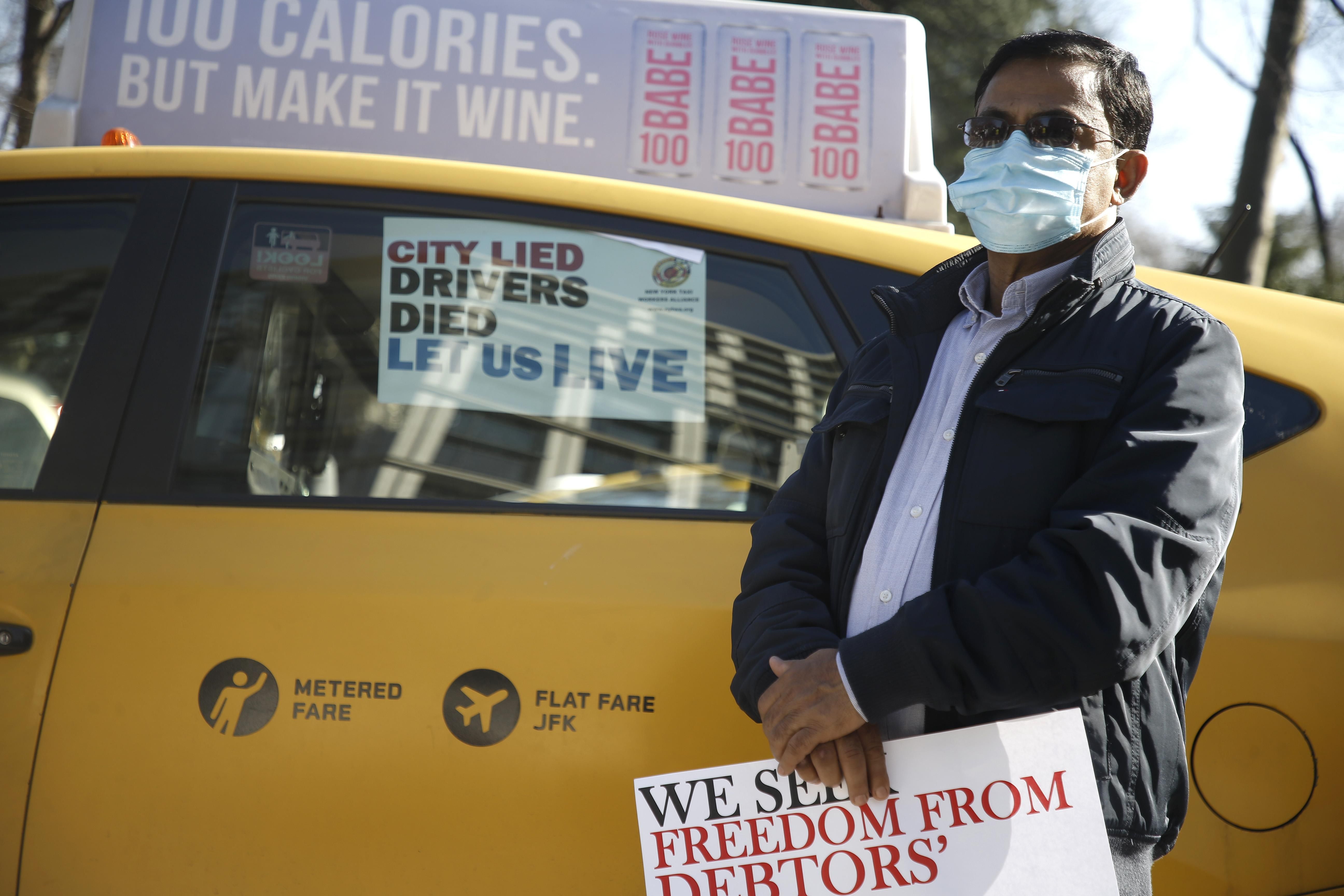
13: A group of New York cab drivers has been on a hunger strike for 13 days to call attention to exploitation of the industry. They say that a $65 million city rescue package announced in March does not go far enough to make up for decades-long arrangements that saw cabbies exploited by dodgy city loans that resulted in crushing debt and caused dozens of suicides.
29: At least 29 people were killed or injured in Yemen after Houthi rebels fired missiles into a mosque and religious school in the mountain city of Marib. Fighting has intensified in Yemen over the past few months as the Iran-backed Houthis have made inroads in the oil-rich province of Marib, the internationally-recognized government's last stronghold.
25: Brazilian police killed at least 25 people in a "warlike operation" as they tried to scuttle a bank heist in southern Brazil. Police say that sophisticated bank robberies involving well trained gangs in the country's south are the "new banditry." Brazilian police, however, have often been accused of summary executions.
5 million: The global death toll from COVID-19 has now surpassed 5 million. The US, EU, UK, and Brazil have recorded around half of all deaths from the virus worldwide, despite accounting for only one-eighth of the global population.
In fairness, he did say he'd ask. #PUPPETREGIME
Russia announced on Wednesday it charged the founder of Telegram, Russian-born Pavel Durov with facilitating terrorism for allegedly failing to remove information used to organize attacks inside the country
Just months ago, Nigel Farage looked like Britain's next prime minister. Rory Stewart explains how the Reform UK leader built a powerful populist movement – and why a financial scandal may have finally punctured his anti-establishment image.
In this episode of ask ian, Ian Bremmer explains why Ukrainian President Volodymyr Zelensky enters his latest White House meeting with President Trump in a stronger position than he did just a few months ago.