July 25, 2019
Promising "a new golden age," Boris Johnson, the United Kingdom's new prime minister, has only just taken his seat at 10 Downing Street, and already it looks possible that the UK is on a path toward early elections, a Labour Party-led government, and maybe even another Brexit referendum.
How might all that happen? To answer that questions, we must answer these questions…
What is Boris Johnson's Brexit strategy? The new PM hopes to succeed where now-former PM Theresa May failed—by persuading European negotiators to make him a new Brexit offer that can win a majority in the House of Commons.
To accomplish this, Johnson hopes to persuade Europe that he's much more serious than May about leaving the EU without an agreement on the future of the UK-EU relationship – a so-called "no deal" Brexit. At the same time, he wants to balance that credible threat with a charm offensive designed to get a favorable deal.
Is that strategy likely to work? Probably not. Johnson has the same problem that brought down Theresa May: his party is deeply divided on Brexit. Some members want to avoid a no-deal Brexit at all costs for fear it would inflict long-lasting damage on the UK's economy and international standing. Others insist the new government must honor its commitment to deliver Brexit for the majority who voted for it, by whatever means necessary.
For now, most within his party are content to give Johnson a chance. But it won't be long before he must choose which path to follow. When he does, he'll alienate large numbers of Tories on one side or the other.
European negotiators know all this. That's why there is little reason for them to offer the Brexit concessions that Johnson is hoping for.
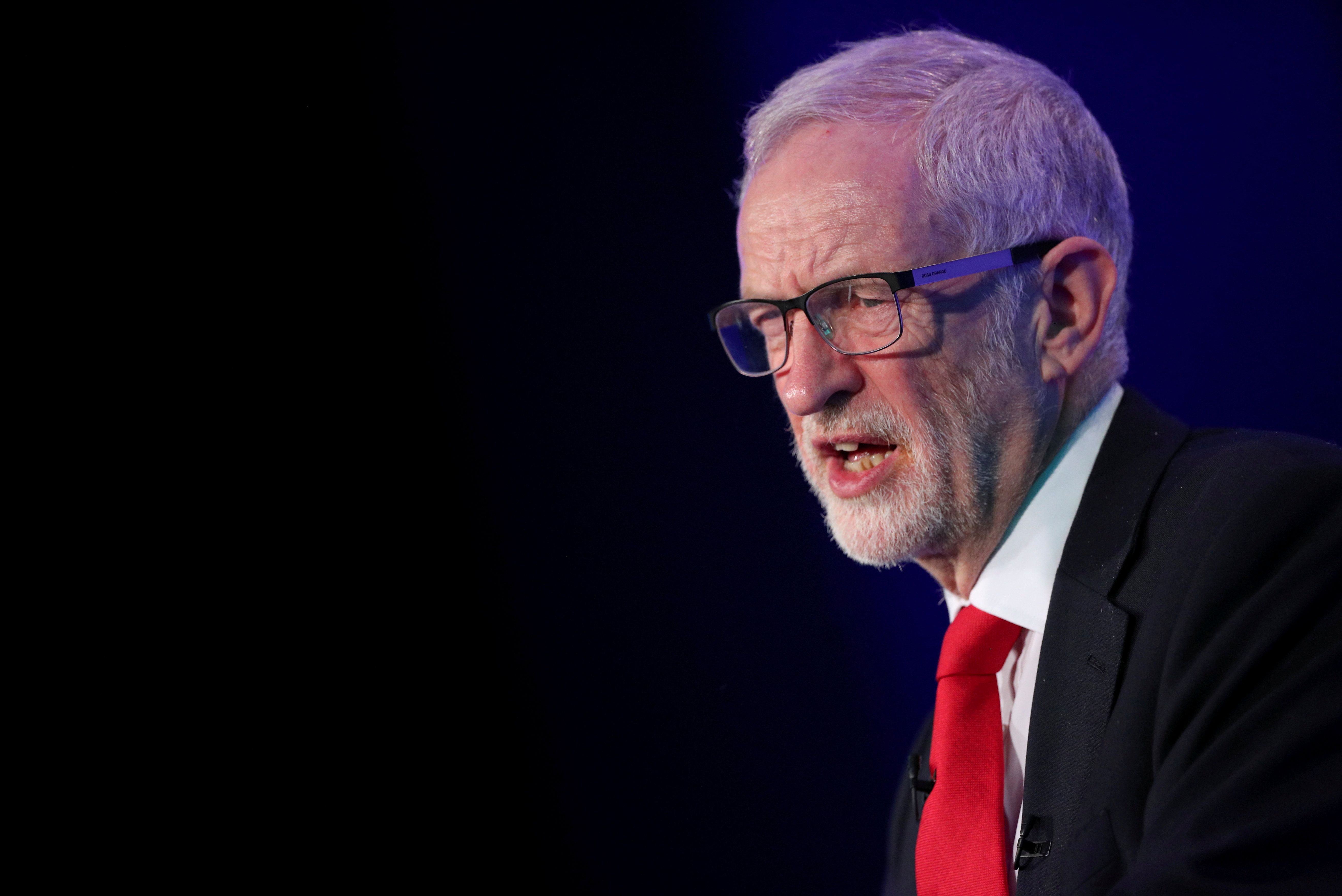
Why are early national elections becoming more likely? There are two paths toward an early election, and both are credible. First, once he's confident that Conservative Party divisions give him the needed votes, Labour Party leader Jeremy Corbyn could call for a vote of no-confidence in Johnson's government.
If the measure passes, Johnson would have 14 days to win back the confidence of parliament. If he fails, we could have a new PM from within the Conservative Party, but it's much more likely that national elections would be held.
The second path would entail Johnson calling early elections himself because he thinks the specter of a Prime Minister Jeremy Corbyn can help him use a new vote to win a bigger majority, strengthening his bargaining power with Europe. Johnson appears to have ample confidence in his own political skills and might prefer the role of flamboyant campaigner to that of Brexit negotiator haggling with Brussels.
How would new elections shape up? Johnson might be forced into an alliance of convenience with Nigel Farage and his Brexit Party, while disgust with the Conservative Party's failure to sort out the Brexit mess might well send enough votes toward Labour to allow them to form a government that includes a voting agreement with Liberal Democrats and Scottish Nationalists. (The Lib Dems said this week they won't support a Labour-led pact, but election results might change their minds.)
The bottom line: Jeremy Corbyn himself has never been an EU fan. But his party wants a revote, and he's had to agree to support one. That's why, if there are fresh elections and Corbyn becomes prime minister, a second Brexit referendum, with all the political and social turmoil it would surely create, becomes much more likely.More For You
U.S. President Donald Trump speaks at the Resolute Desk before signing an executive order on vehicle repairs in the Oval Office at the White House on June 29, 2026 in Washington, D.C.
Samuel Corum/Sipa USA
What, exactly, is the Trump administration thinking? A well-worn question finds fresh fodder this week as the White House prepares to impose a sweeping new set of tariffs on Brazil. Again.
Most Popular
Sponsored posts
Microsoft’s 2026 Environmental Sustainability Report
Walmart sponsored posts
Empowering associates with comprehensive benefits
Another prime minister arrived at Downing Street today. Andy Burnham became the United Kingdom’s seventh leader in just 10 years. The Graphic Truth maps out the duration of the United Kingdom's prime ministers in office.
Supporters of the Cockroach Janta Party march toward parliament on the opening day of its monsoon session, demanding the resignation of Education Minister Dharmendra Pradhan over exam paper leaks, in New Delhi, India, 20 July, 2026.
REUTERS/Adnan Abidi
In New Delhi, thousands of protesters are marching to Parliament today to demand the resignation of education minister Dharmendra Pradhan over a growing scandal surrounding the leak of a high-stakes med school entrance exam in May
© 2025 GZERO Media. All Rights Reserved | A Eurasia Group media company.