Sponsored posts
The road to reconstruction
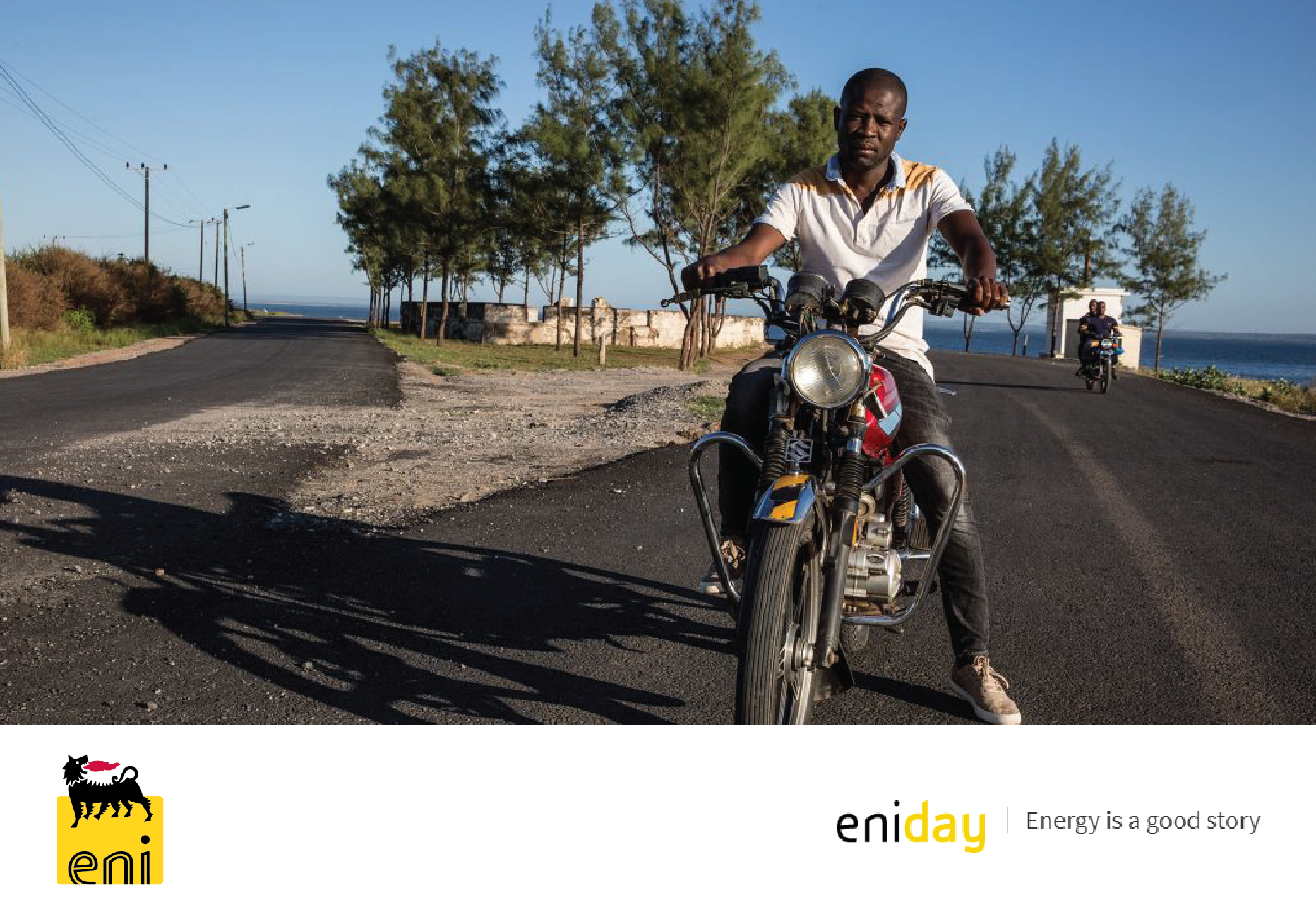
Earlier this year, two powerful cyclones struck the northern coast of Mozambique and were followed by months of torrential rain. Mozambique faced an unprecedented humanitarian crisis. "The coast road from Pemba airport to the city center and its harbor was totally destroyed," said Franco Picciani, operations manager at Eni Rovuma Basin. The damage brought the city's economy to a standstill.
Eni answered the call, providing its equipment and expertise. "We rebuilt the coast road in less than two months," Picciani said. "We work in the area. We have a logistics base here. It's home to us. When the area needed help, we didn't stop to think about it for a minute. It goes without saying that we should look after the community we work in."
South Sudan is accusing neighboring Sudan of launching a drone strike that killed at least 73 people at a market in Abyei, a disputed, oil-rich region of roughly 4,000 square miles claimed by both countries.
In this Quick Take, Ian Bremmer says President Donald Trump's approach to the war in Ukraine is putting more pressure on President Volodymyr Zelensky and raising concerns among European allies about the future of NATO.
Ongoing student protests in France descended into looting and riots over the weekend as more than half a million people took to the streets across the country.
After his father was killed in a plane crash in 2023, Pavel was tapped to lead Wagner.