A week ago, UK Prime Minister Rishi Sunak gambled his career, his legacy, and the future of the Conservative government by calling earlier-than-expected snap elections on July 4 – a seemingly no-win decision given that his party has been underwater by some 20 points in the polls.
Speaking of underwater, standing outside No. 10 Downing St. in the pouring rain without an umbrella (not the first nor last piece of evidence that his aides must really dislike him), the utterly soaked prime minister described his premature date with destiny as “a moment for Britain to choose its future.” Sunak argued that the most geopolitically dangerous global environment in decades (fact-check: true) calls for the stability and predictability at the helm of the UK government that only Tories can deliver (although “stability” and “predictability” are surely not the first two words that come to mind when I think of the last several years of mostly shambolic Conservative rule). The address also previewed a bitterly personal campaign against Labour leader Keir Starmer, accusing him of being willing to say anything to win power and then go back on his word (aka a politician).
The prime minister defied calls from a majority of his party’s MPs to wait to stage the poll until the fall, when they hoped (and most analysts expected) voters would start to feel the benefits of an improving economy and public opinion might have moved in the Tories’ favor. Instead, Sunak used last week’s marked drop in inflation to 2.3% – slightly higher than forecast by the Bank of England but still meeting the PM’s electoral promise to halve it – as the springboard for a six-week (Americans can only dream!) election campaign. The PM was told by his advisors that inflation had bottomed out and would rise again over the coming months – and that reduced fiscal space for tax cuts later in the year would reduce his room for maneuver down the line. This made him fear that the economic outlook was never going to look better than now.
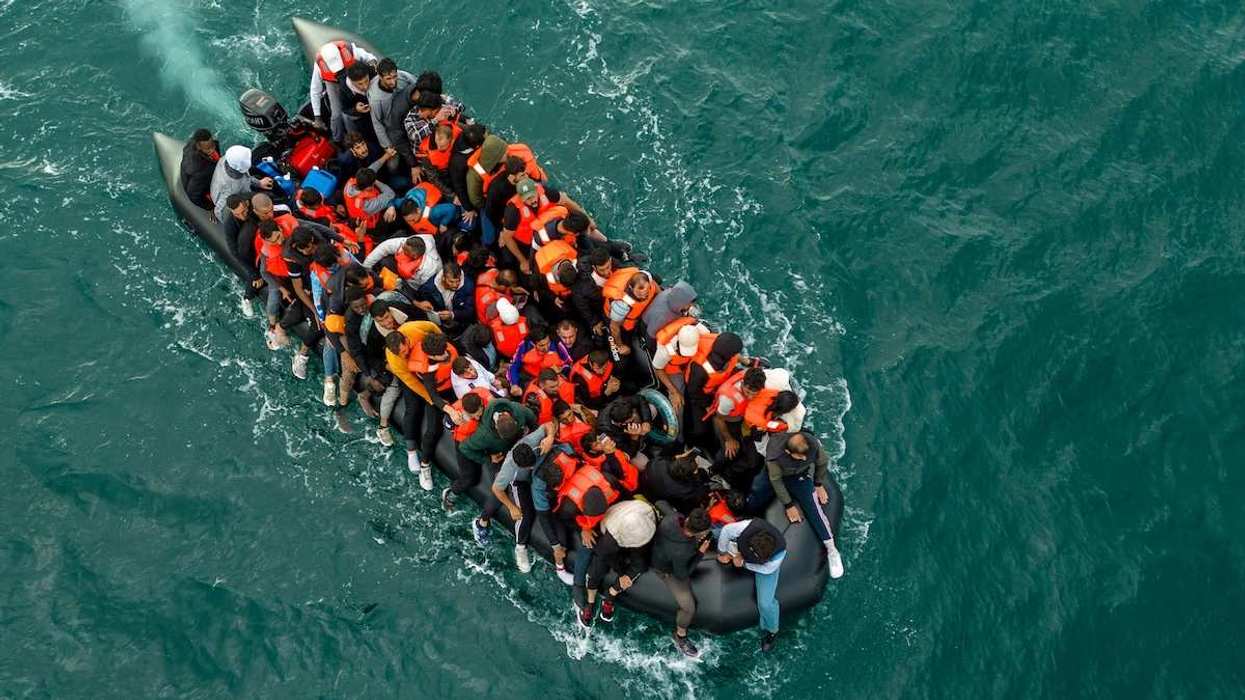
Sunak’s decision to go for broke stunned Tory MPs who had expected him to at least wait until after the first flights deporting asylum-seekers to Rwanda had taken off, allowing him to go some way to meet another of his signature campaign pledges: “stopping the boats.” But the prospect of further implementation delays due to legal challenges after getting the law passed through parliament in April, and thousands more refugees crossing the English Channel in small dinghies during the summer months, was another reason why Sunak opted for an early election.
Another factor in Sunak’s shock decision to call the first July election since 1945, against the advice of most Tory MPs and strategists and despite consistently trailing in the polls by 20 points, was his entrenched belief that Starmer is a disingenuous flip-flopper whose soft support would crumble under the intense scrutiny of an imminent election. Hard work and good debate performances, Sunak’s thinking went, could persuade the higher-than-usual number of undecided voters (roughly 20%) to back the Tories – however reluctantly – against the unproven and untrustworthy Starmer-led Labour, creating a pathway to victory.
But that is just wishful thinking. The last time Conservatives had a polling lead was in November 2021. It’s already been a week since the announcement, and the polls have not budged. While polling gaps will likely narrow before July 4 (especially given the high proportion of undecided voters that remain, some of whom are disenchanted Tories who’ll return to the fold), Sunak would need a political miracle to pull off a comeback. After 14 years of Tory rule marred by political scandals, economic stagnation, surging immigration, and the Brexit debacle, Labour is almost certain to capitalize on the British public’s desire for change, win a comfortable majority (albeit short of the landslide secured by Tony Blair in 1997), and make Starmer the UK’s next prime minister.
To be sure, Labour's path to reviving Britain’s fading global clout won’t be smooth. For starters, the new government will inherit a sluggish economy with large structural imbalances and limited policy space. And yet, it should be decently well-positioned to deliver policies and reforms that reduce the current uncertainty about fiscal stability, rebuild relations with the European Union, and ultimately lead to a sustained rise in trade, investment, productivity, and growth.
The future remains unwritten, but a new chapter in UK history is upon us.