VIDEOSGZERO World with Ian BremmerQuick TakePUPPET REGIMEIan ExplainsGZERO ReportsAsk IanGlobal Stage
Site Navigation
Search
Human content,
AI powered search.
Latest Stories
Start your day right!
Get latest updates and insights delivered to your inbox.
Ian Explains
On Ian Explains, host Ian Bremmer makes complex issues about global politics understandable. Ian Explains is a weekly segment on GZERO WORLD with Ian Bremmer, GZERO's weekly program about global news and current affairs.
Presented by

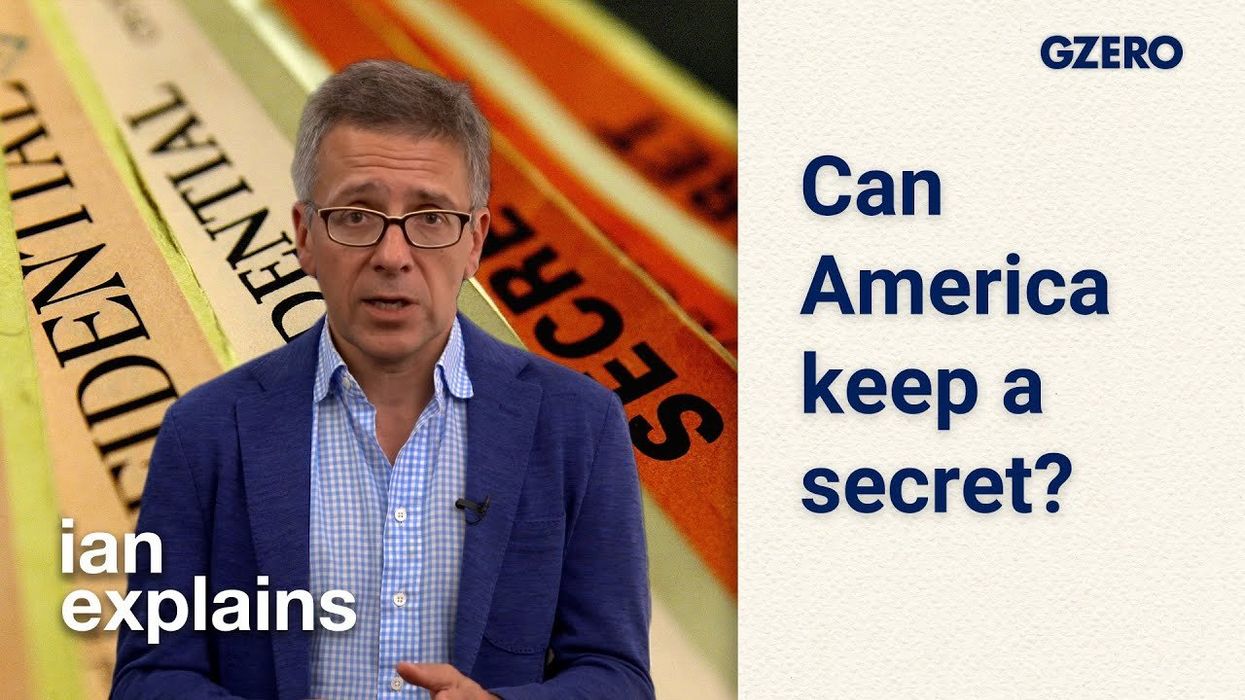
Here’s a secret: the US government’s system for classifying documents doesn’t work very well, and it hasn’t for decades. If you follow the news, you’ve likely seen stories a-plenty about former President Donald Trump’s penchant for holding onto classified documents, not to mention less egregious examples like former Vice President Mike Pence and current President Joe Biden doing the same. But what you might not know is that the US government has a tortured history of overclassifying information, sometimes with disastrous results.
The 9/11 Commission found that a lack of information-sharing between agencies like the CIA, the FBI, and the NSA prevented the US government from foiling the terrorist attacks that day. A key reason for that failure was the over-classification of information. An estimated 50 million documents are classified each year, though the exact number is unknown—not because it’s classified, but because the government just can’t keep track of it all. In the words of former US Solicitor General Erwin Griswold, some “secrets are not worth keeping.”
It’s difficult for the American public to know what its government is up to if so much of its work is classified. It also forces journalists to weigh the risks of disclosing information to the public against the risk of prosecution under the Espionage Act.
There are, of course, plenty of good and important reasons to classify information. We don’t want Kim Jong Un or Ayatollah Khamenei to get their hands on US nuclear codes. But beyond national security concerns, a big contributor to over-classification comes down to incentives—If you’re a government employee, the risk of classifying something that doesn’t need to be classified is low, but if you un-classify something that you shouldn’t, you're in trouble. It’s also about control. Classification protects the government against revelations of mistakes, false predictions, or other embarrassments that the rest of us like to call “accountability.”
Watch Ian Explains for the full breakdown, and for more on the US, watch GZERO World with Ian Bremmer on US public television and at gzeromedia.com/gzeroworld.
Keep reading...Show less
More from Ian Explains
Why India and Pakistan can't get along
August 15, 2025
Trump's tariffs are already changing global trade
August 01, 2025
Do nuclear weapons make a country safer?
July 11, 2025
Israel, Iran, and the US went to war. Now what happens?
July 05, 2025
How China would seize Taiwan without firing a shot
June 06, 2025

What is artificial general intelligence?
May 16, 2025
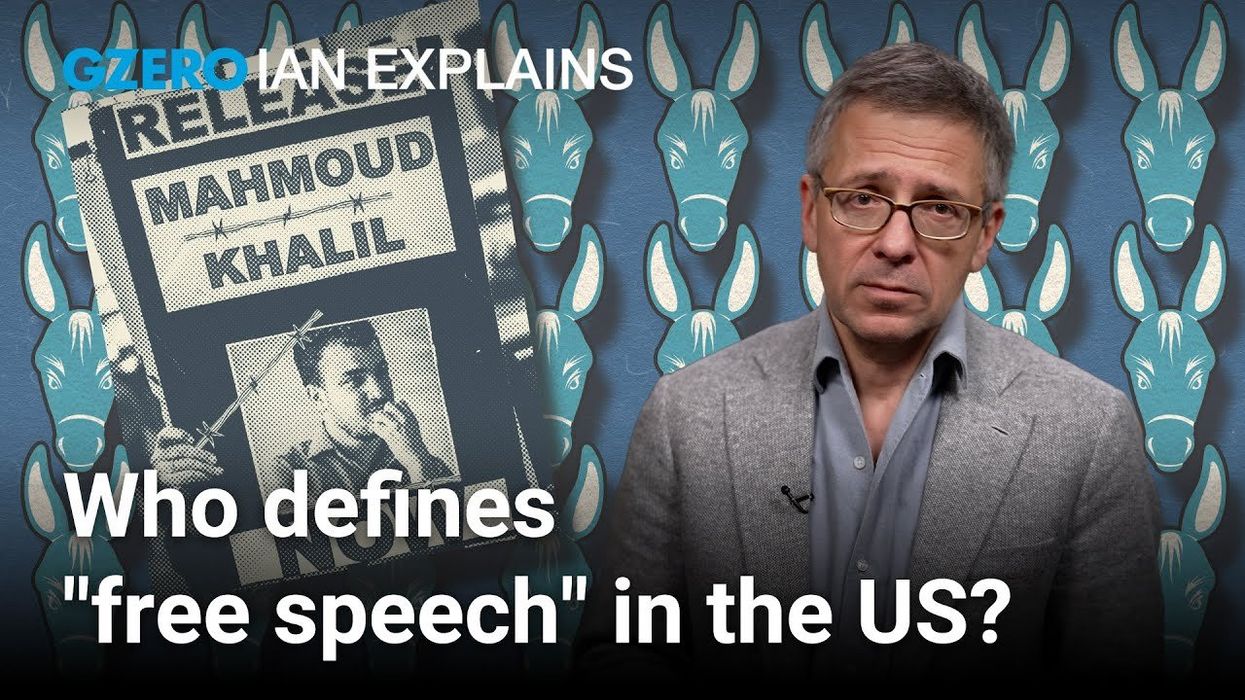

50 Years on, have we learned the Vietnam War's lessons?
April 25, 2025

Will Trump pressure Putin for a Ukraine ceasefire?
April 11, 2025
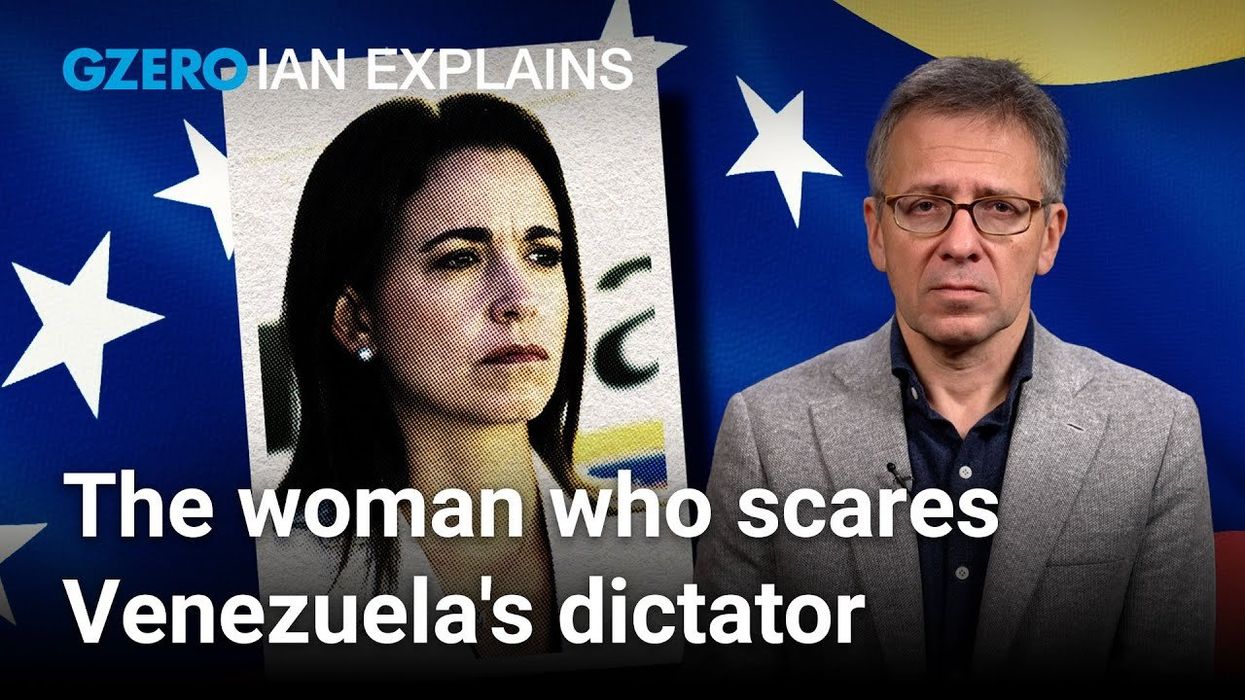
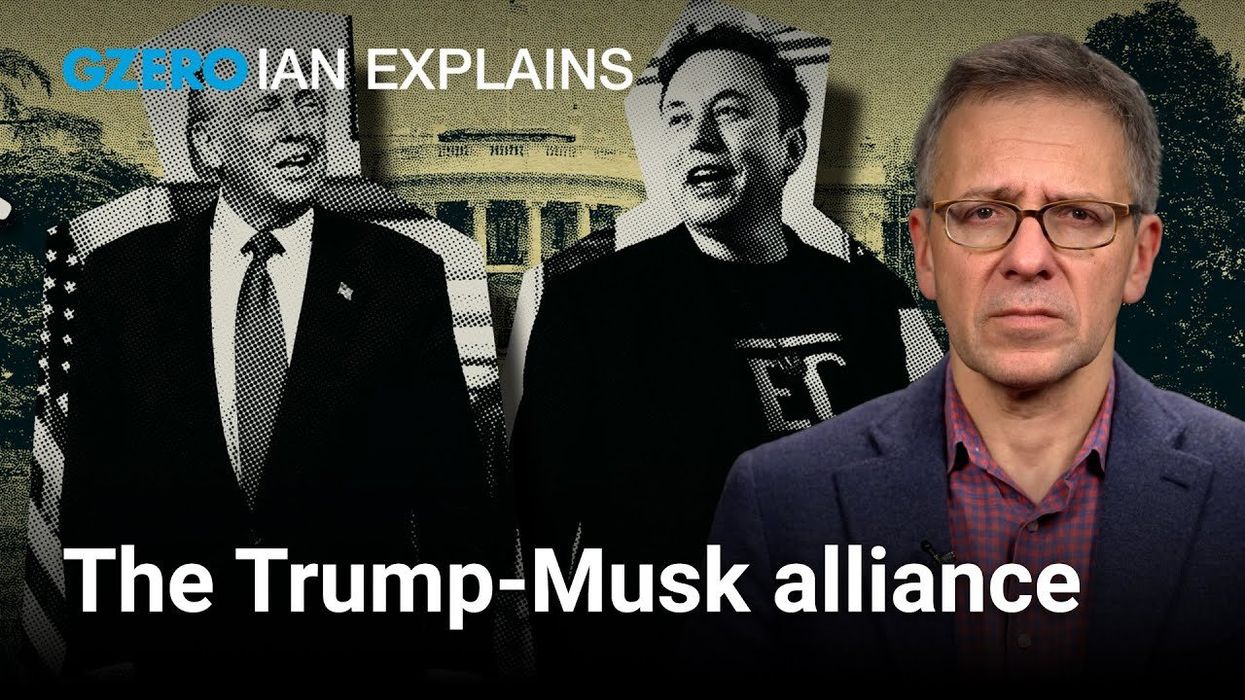
Will the Trump-Musk relationship last?
March 28, 2025
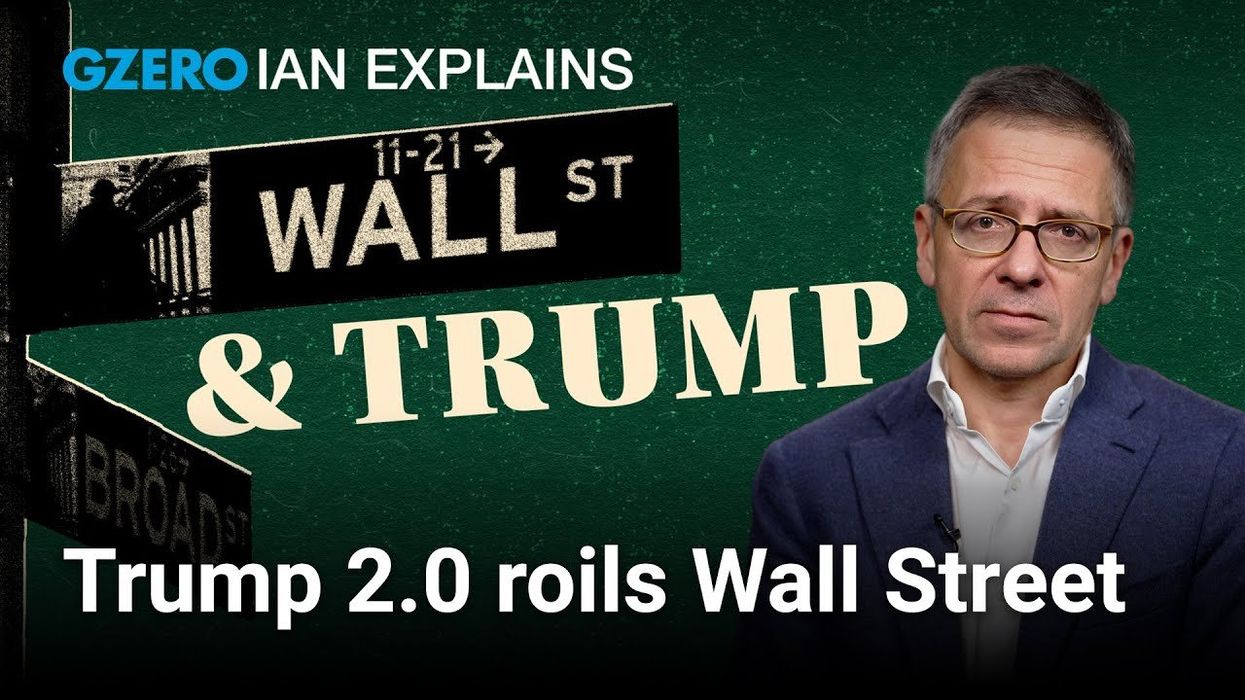
Did Wall Street get Trump wrong?
March 21, 2025
What is President Trump's stance on China?
March 14, 2025

Russia’s next target? Why the Baltics are wary of Putin
February 28, 2025

Can Europe defend Ukraine without US support?
February 22, 2025

Trump to Gazans: Does it matter where you live?
February 15, 2025
What's behind RFK Jr.'s "Make America Healthy Again" movement?
February 07, 2025
Is Europe ready to embrace Trump's return to power?
January 31, 2025

What does Big Tech want from Trump?
January 17, 2025
GZERO Series




© 2025 GZERO Media. All Rights Reserved | A Eurasia Group company.
GZERO Daily: our free newsletter about global politics
Keep up with what’s going on around the world - and why it matters.