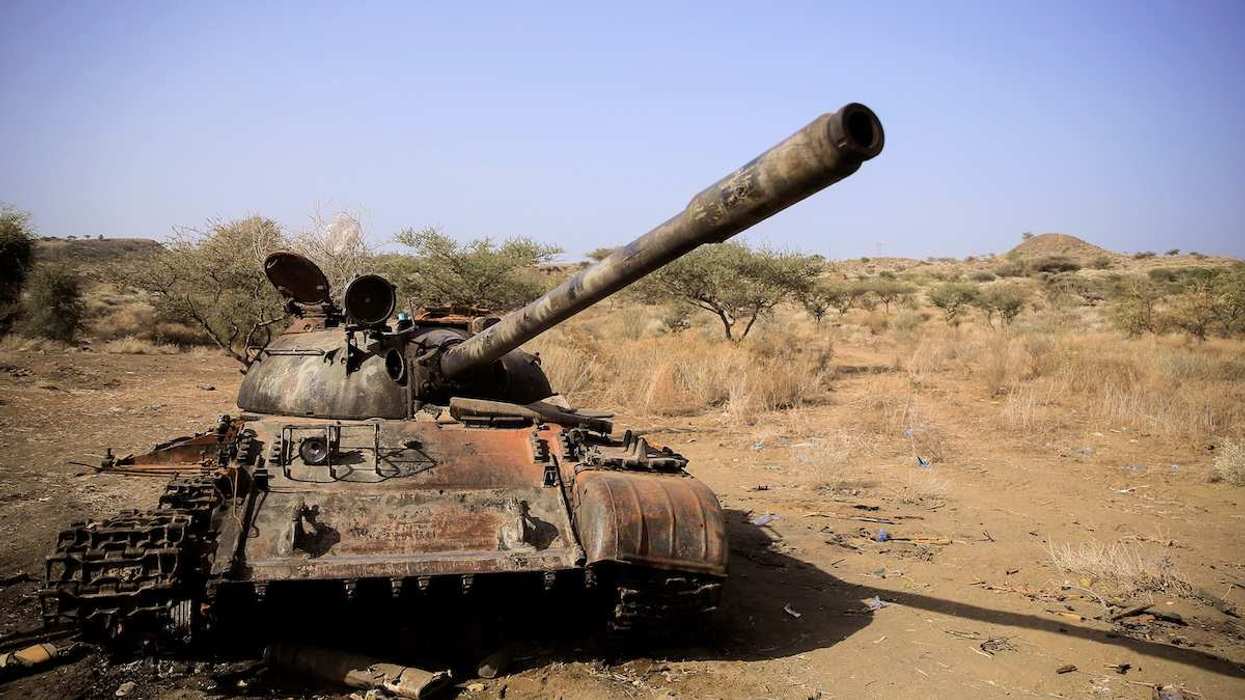
Last week, Mali, an arid desert country in Western Africa with a predominantly Muslim population of 19 million, was struck by one of the deadliest jihadist terror attacks since Islamist groups took over its northern frontier some seven years ago. Islamic State militants later claimed responsibility for the attack on a military post that killed at least fifty-four people. The episode reflects a larger surge of jihadist violence in the vast Sahel region, which stretches across the southern edge of the Sahara desert. Unrest there has already reverberated far beyond Mali.
How did jihadist violence come to the region? The Tuareg ethnic group in northern Mali, one of the largest nomadic tribes in the Sahara, has long agitated for independence. In 2011, when neighboring Libya descended into civil war, many Tuareg rebels went to fight on the side of Colonel Muammar Qadafi. Amid the chaos that followed his death, the Tuaregs returned to Mali with a cache of powerful weapons.
Soon after, Tuareg separatists rose up, declared an independent state, and joined forces with al-Qaeda and its local offshoots to push out the state's military who they both despised. Jihadist groups — many of which spilled out of the the civil war in neighboring Algeria during the 1990s— have operated in the area for decades, gaining influence by exploiting local conflicts. In 2012, they imposed Sharia Law across northern Mali, undercutting much of the Tuareg rebels' newfound autonomy.
A weak and unstable Malian government, hobbled by corruption and a disgruntled military, has been unable to respond effectively. Jihadist groups now control huge swaths of territory in central Mali and have spread southward into Burkina Faso, where a political crisis in 2014 dissolved the state's oppressive security apparatus and created an opening for jihadist groups to recruit disgruntled locals.
In 2013, Islamic State affiliates emerged and in some instances, received funding from ISIS' financiers to carry out attacks. Deadly jihadist attacks on busy roads and mosques over the past few months have highlighted the increasing scope and sophistication of the insurgency, which has now expanded east along the border with Ghana, Togo, Benin and Niger.
Throughout the region, extremists have grown their ranks by preying on popular resentment over poor opportunities for education, employment and prosperity. A ferocious cycle of droughts in recent years has only made matters worse, inflaming conflict among ethnic groups over resources. And with the population of Sahel countries like Mali and Niger set to double in the next twenty years, these pressures will only increase.
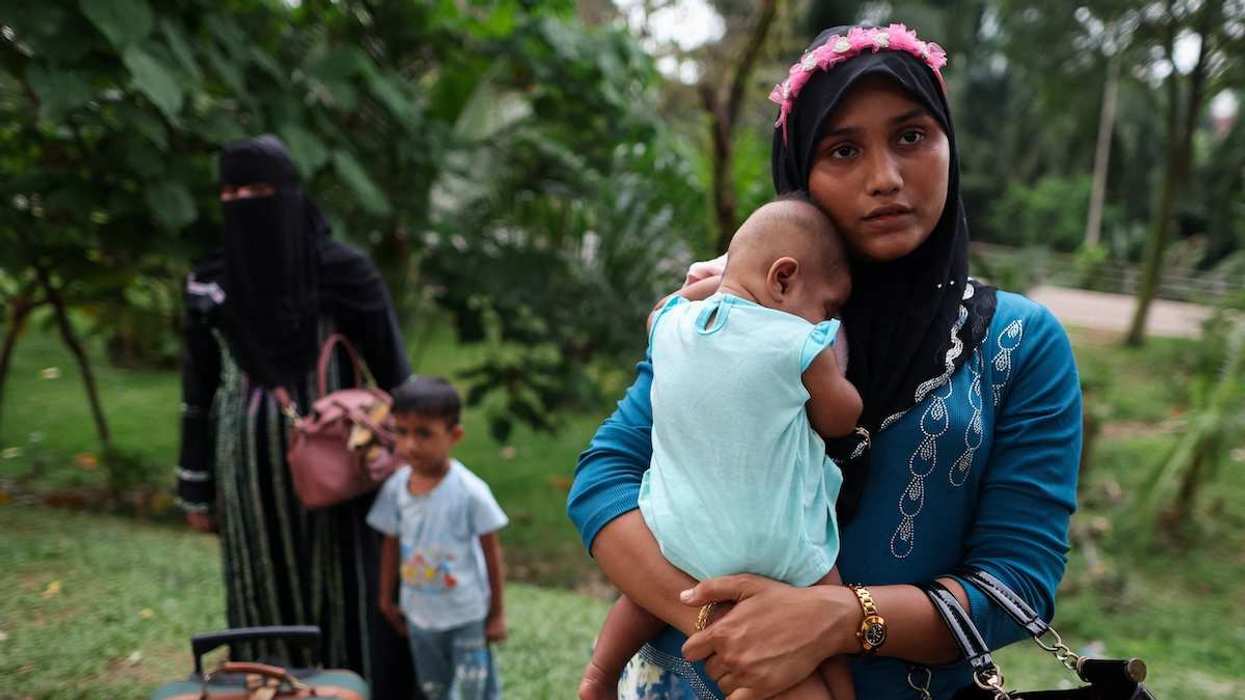
The threats facing the people of the Sahel are clear and urgent. But they also threaten the West directly. Facing an uptick in migrant arrivals from North African countries that touch on the Sahel, European countries are worried about two things: human traffickers who operate in the region, as well as the possibility that jihadists may infiltrate migrant groups bound for Europe. The EU has dedicated resources to stabilizing the Sahel, so far with mixed success. France has deployed troops to Mali since 2013, but the mission has faced stumbling blocks as battle-hardened jihadists who know the terrain often shield themselves amongst civilians.
American special forces have recently played a more direct role in military raids in places like Niger and Somalia, relying on local partners to locate militants identified as potential threats to American citizens or embassies. With the collapse of the Islamic State's self-declared "Caliphate" in Iraq and Syria, the US military is increasingly fearful that fighters could move through tumultuous Libya into the Sahel, bringing more sophisticated arms and tactical knowhow into that region. The last thing the United States wants is for the region to become a safe haven for international terror groups the way that Somalia or Afghanistan were in the 1990s, or the way that ISIS was more recently.
Climate change, extremist violence and poverty have created a combustive situation in a part of Africa often overlooked amid a broader focus on Islamic extremism in the Middle East. But as the power of local and foreign jihadist groups continues to grow, the threats to the region's people, and beyond, are quickly rising.