
Skip to content
Search

Latest Stories

Will Republicans really slash  Medicaid?

Will Republicans really slash  Medicaid?

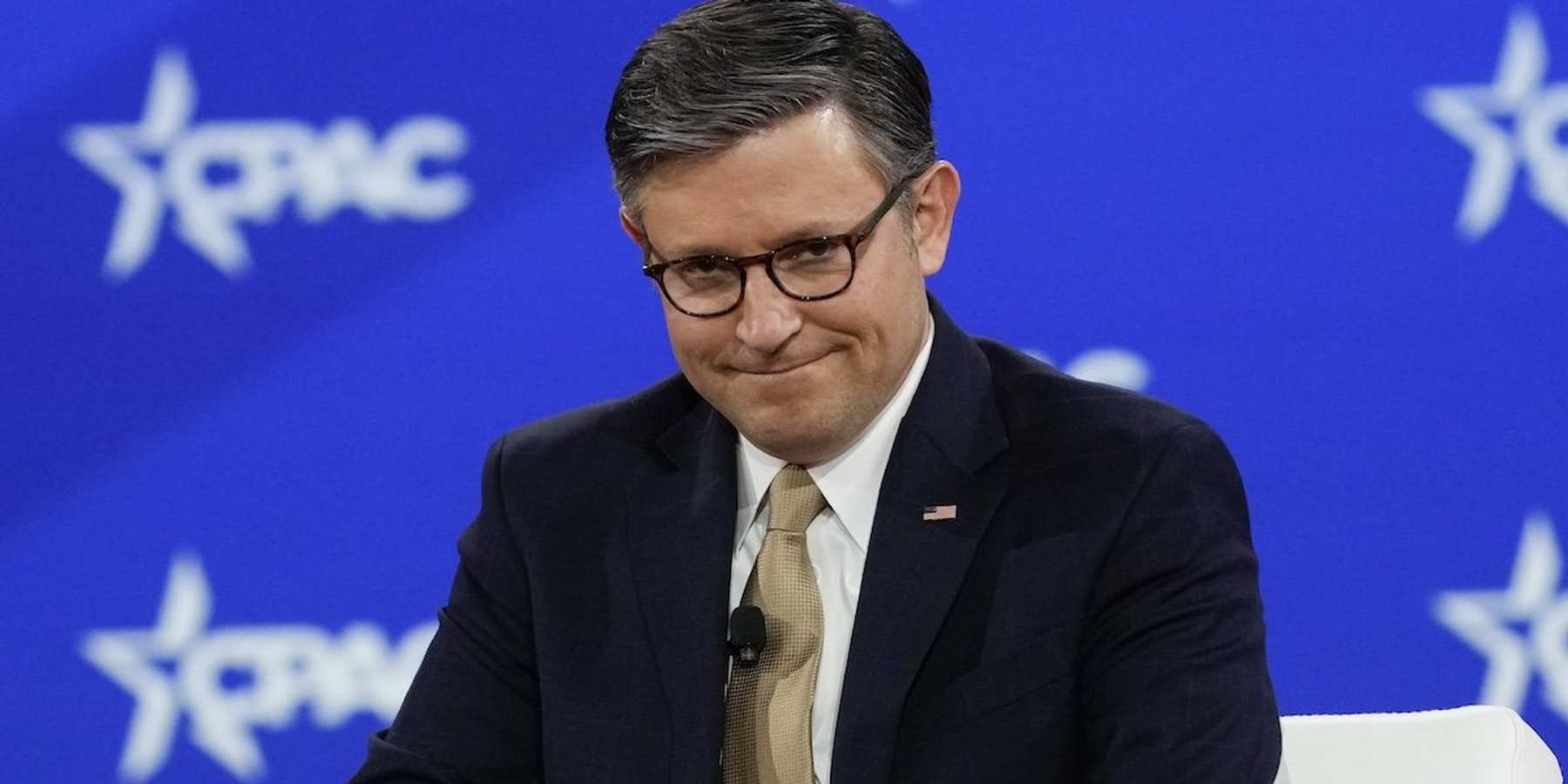
Speaker of the House Mike Johnson (R-LA) at the Conservative Political Action Conference (CPAC) at the Gaylord National Resort and Convention Center in National Harbor, Maryland on February 20, 2025

Jack Gruber-USA TODAY
Make us preferred on Google

This week, House Republicans are expected to vote on a budget measure that would fund an extension of President Donald Trump’s first-term tax cuts by taking an axe to one of America’s key entitlement programs: Medicaid.

What’s Medicaid? A joint federal and state program that funds medical care for low-income people. About a quarter of Americans are enrolled directly, and two-thirds say they or their family members have benefitted from the program.


What would the measure do? Slash $2 trillion from the federal budget over the next decade, including about $800 billion from Medicaid. The Medicaid cuts would come by placing per-capita limits on federal funding, narrowing states’ tax options for funding Medicaid, and imposing work requirements on recipients.

The debate: The GOP says these measures will root out waste and abuse, shift more of the burden onto states, which know their own needs better, and incentivize recipients to get off the dole.

Critics say the sweeping reductions would harm the poor by slashing their access to health care while funding tax cuts that disproportionately benefit the wealthy.

What’s Trump saying? He said he would “love and cherish” Medicaid, along with its related old-age benefit programs, Medicare and Social Security, which the GOP has said it wouldn’t touch. But Trump has also endorsed the budget resolution.

How the people see it: Strong majorities of Democrats, Republicans, and Independents view Medicaid favorably, according to recent polling by the Kaiser Family Foundation.

The GOP’s dilemma: The party is committed to cuts in taxes and spending, but several GOP districts with large populations of Medicaid recipients are up in arms. And given the GOP’s razor-thin House majority, and unified Democratic opposition, the Republicans can’t afford to lose more than a single vote in the House.


More For You

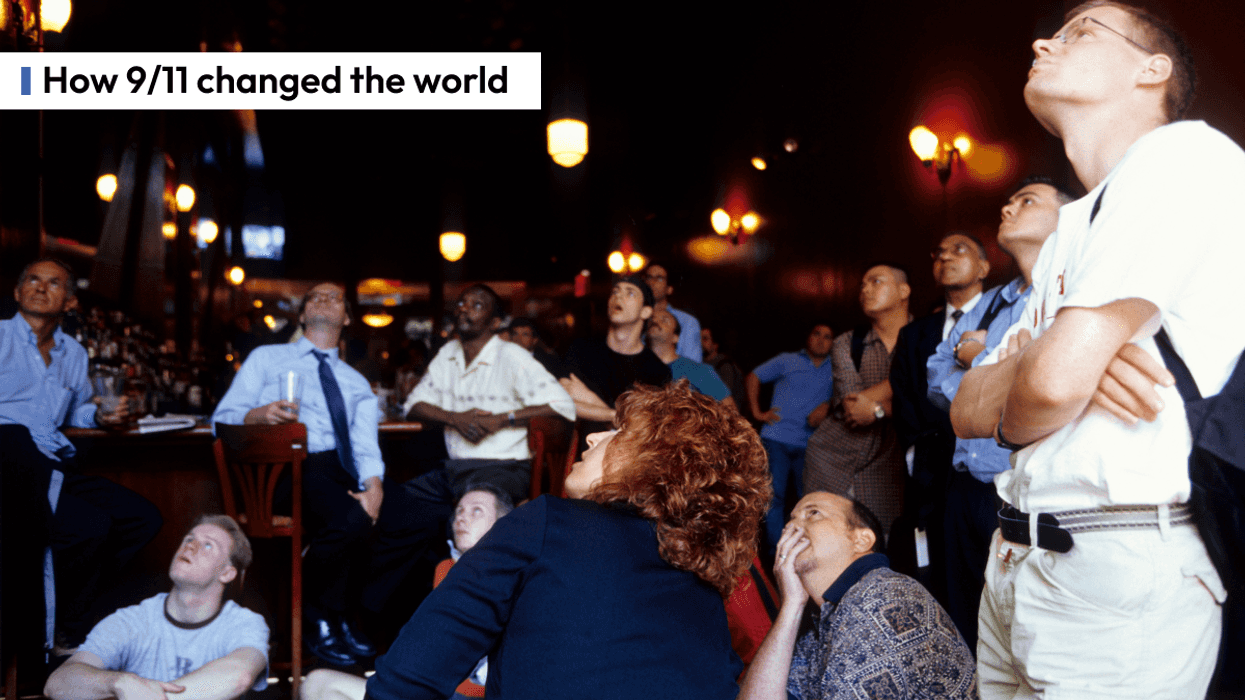
What America got right–and wrong–in the post-9/11 era
- YouTube
The terror attacks of September 11, 2001 radically altered the course of American history. They reshaped our politics and sense of security, sending the country on a completely different arc—from wars in Afghanistan and Iraq to the sweeping expansion of the national security apparatus. 25 years after that fateful day, has America learned the right [...]
The lasting impact of 9/11 on US leadership
- YouTube
In this ‘ask ian,’ Ian Bremmer reflects on the 25th anniversary of 9/11, examining the long-term consequences of America's response to the attacks. [...]
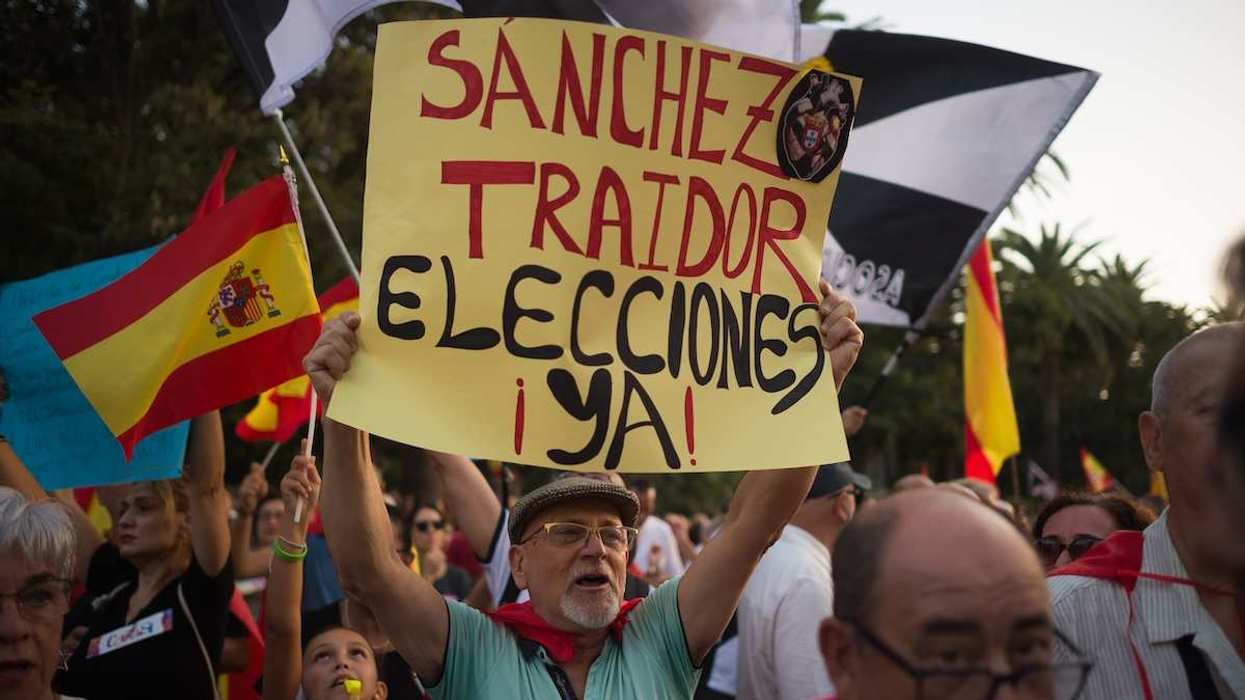
A man is seen holding up a placard against Spanish Prime Minister Pedro Sanchez as he takes part in a protest in solidarity with ceuta people, coinciding with Ceuta city day. The mass crossing of migrants into the city of Ceuta from Morocco has prompted several Spanish cities to call rallies and demonstrations in support of Ceuta and national sovereignty, as well as against the Spanish government's management.

A man is seen holding up a placard against Spanish Prime Minister Pedro Sanchez as he takes part in a protest in solidarity with ceuta people, coinciding with Ceuta city day, on Sept 2, 2026.

Jesus Merida / SOPA Images via Reuters Connect
Sánchez releases classified documents on Ceuta crisisSpanish Prime Minister Pedro Sánchez’s government on Wednesday declassified documents showing that Morocco had knowledge of plans for a mass migrant crossing into the Spanish exclave of Ceuta days before it occurred. The disclosure may be an attempt to deflect some of the backlash Sánchez has [...]
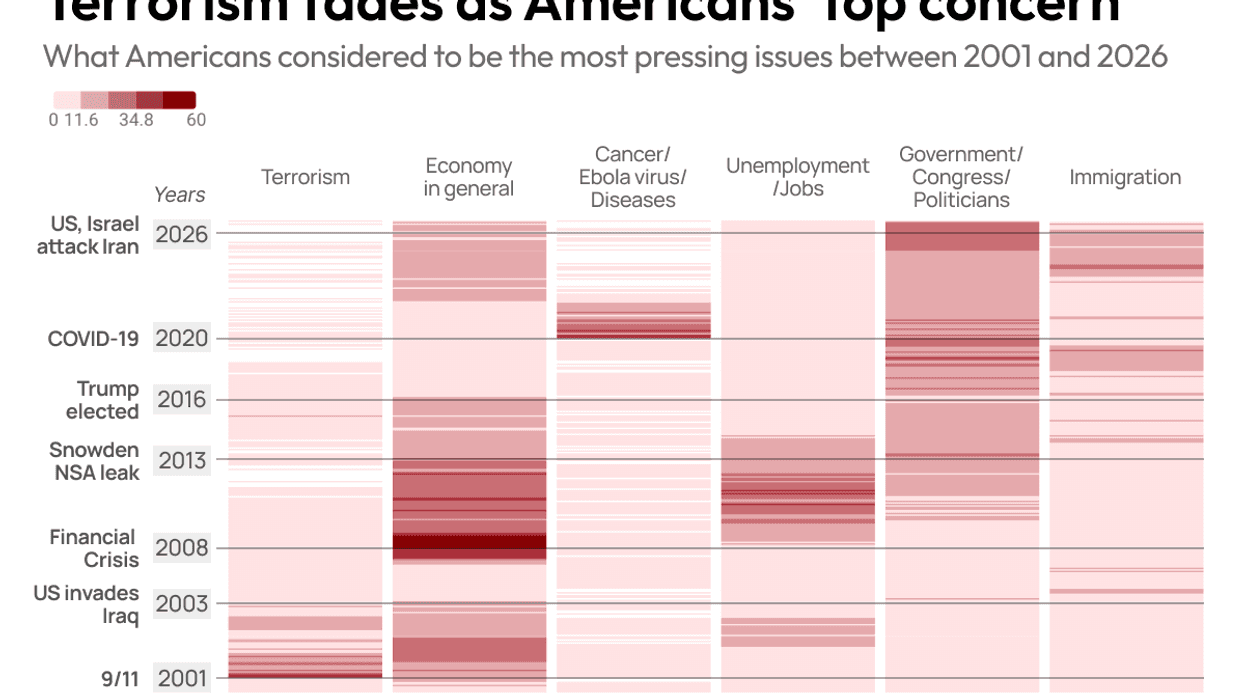
Terrorism fades as Americans’ top concern
GZERO Media/Eileen Zhang/Paige Parsacala
The month after 9/11, terrorism was the most significant concern for Americans. In polling conducted by Gallup the following month – and just days after the invasion of Afghanistan –46% of Americans said terrorism was their top concern. At the same time, trust in government hit a three-decade high in 2001, buoyed by President George W. Bush’s [...]