The days of “Howdy, Modi” are over.
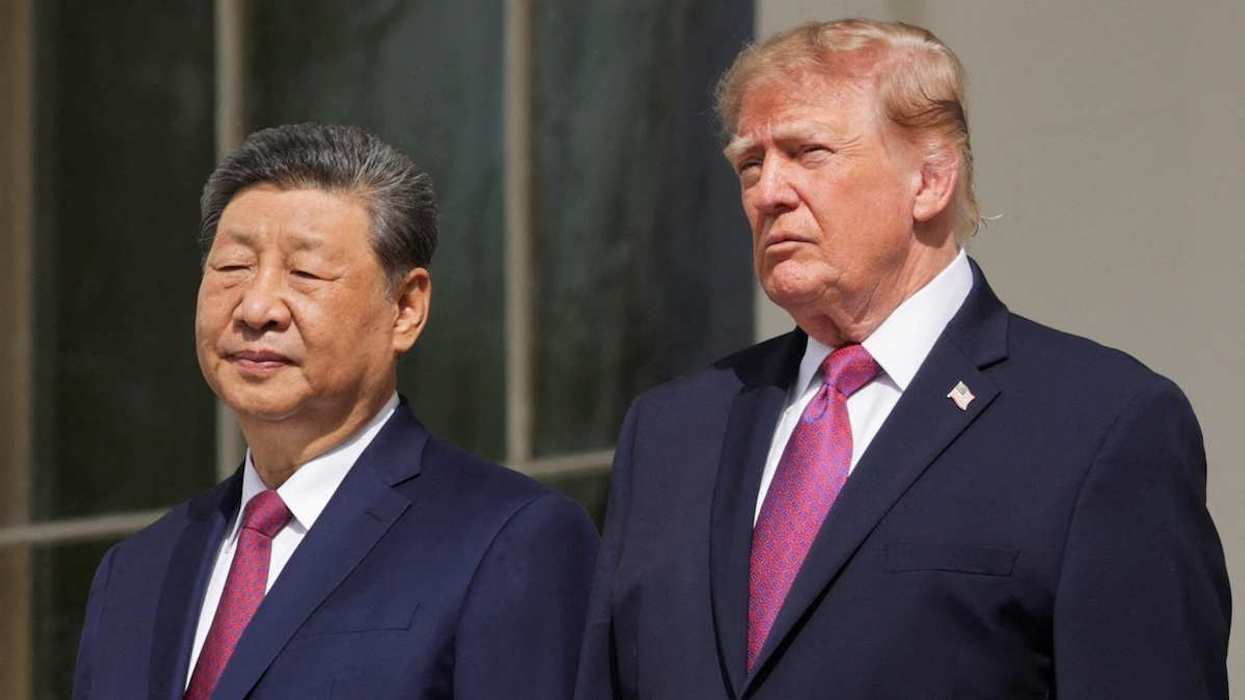
Six years on from a gigantic rally in Houston, Texas, where US President Donald Trump and Indian Prime Minister Narendra Modi held hands, the two are fighting a war of words and tariffs.
The spat began last week when Trump, desperately seeking ways to pressure Russian President Vladimir Putin to end the war in Ukraine (Putin has ignored Trump’s demands to do so for months), slapped tariffs and threatened fines on India, the second-largest purchaser of Russian crude. The idea was to force Delhi to stop buying Russian oil, starving the Kremlin of revenue for its war machine. On Wednesday, Trump upped the ante further, announcing he would double India’s tariff rate to 50% later this month.
But Modi has so far refused to back down – his Foreign Ministry reiterated on Wednesday that Trump’s proposed tariffs are “unjustified and unreasonable.” Adding fuel to the fire, the leader of the world’s largest economy and the head of the world’s most populous nation are still feuding over whether the US helped broker a ceasefire between India and Pakistan in May.
So why is Modi now clashing head on with the man he once called a “true friend”?
Firstly, there’s a monetary component.
Before the full-scale invasion of Ukraine began in 2022, India only sourced 0.2% of its oil from Russia. Now, Moscow is responsible for roughly one third of all Indian oil imports, with Delhi profiting from a discounted price that resulted from sanctions.
“Indian refineries save about $1 billion a month by buying Russian crude,” said Eurasia Group’s South Asia Practice Head Pramit Pal Chaudhuri, a lower amount than previously – the Russian oil discount has diminished in recent weeks – but still significant.
While India requires this fuel for its own energy needs, it also uses the discounted oil to generate major revenues from exporting refined petroleum products in which crude in an input, like diesel and jet fuels. In this trade, Europe is one of India’s largest markets.
“Purchasing crude oil from Russia and refining it for the market (which includes European countries) has allowed India to not only profit from the purchases but maintain its political and economic relationship with Russia,” Manjari Chatterjee Miller, a senior fellow at the Council on Foreign Relations, told GZERO.
Secondly, India sees this as part of broader trade talks with the US.
The savings that India has made from buying Russian oil have been “useful,” per Chaudhuri, “but losing this would hardly break the bank.” More vital for India are the broader trade talks with Trump, with the next round of negotiations set for Aug. 25.
“There is a belief in New Delhi that Trump’s tariff threats are being used as leverage to extract concessions in order to secure a favourable trade deal with India, reflecting Trump’s proclivity to connect trade and non-trade issues,” said Dr. Chietigj Bajpaee, a South Asia expert at Chatham House.
The US leader has used the Russian oil purchases to justify the pressure on India, but he has another trade interest at hand: he wants Delhi to lower its notoriously high tariffs and grant the US access to its vast agricultural and dairy markets, per Chaudhuri.
Viewing Trump’s moves as a negotiating ploy, Modi sees little interest in backing down.
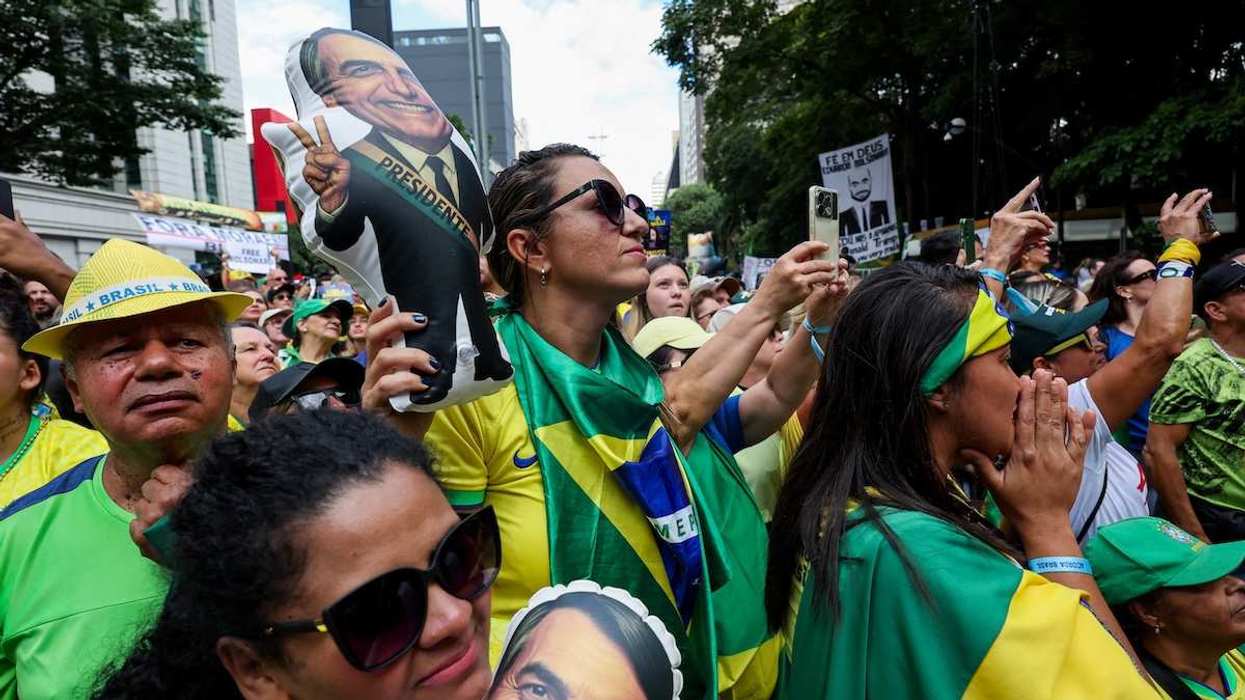
Thirdly, the Indian public doesn’t want to see Modi surrender to foreign pressure.
Trump’s words have piqued some in India, especially when he suggested that it had a “dead economy.”
“They’ve been seen as a little insulting, to be honest, and it has certainly worsened public opinion [toward Trump],” The Asia Group’s India Practice Chair Ashok Malik, who was a policy adviser in India’s foreign ministry, told GZERO. Modi, he added, now “has to press back.”
This isn’t so much about Trump but rather about rejecting foreign interference, according to Miller. India sees itself as fiercely independent, with a long history of “non-alignment” to any one global pole.
“For India to back down in the face of US tariff threats and essentially downgrade its relationship with Russia will also absolutely not play well among the Indian public,” said Miller. “Modi cannot be seen kowtowing to any US administration.”
Finally, India doesn’t want to lose Russia.
India values its decades-long relationship with Russia, principally because Moscow is a hedge against its chief Asian rival, China. Delhi has long had tensions with Beijing – over border disputes, technological rivalries, and China’s support for Pakistan. While relations with China have thawed a little this year – Modi is visiting China for the first time in seven years at the end of the month – India doesn’t want to anger Russia by bending the knee to Washington, as such a move would risk pushing the Kremlin even closer to Beijing.
“India has a larger interest in keeping links with Russia,” said Chaudhuri. “It believes [in] a combination of ‘respect and money’ that keeps Russia neutral when India and China clash (so far true) and provides other geopolitical benefits.”
The repudiation of US pressure, though, may still have consequences for India’s foreign policy.
“Unless Modi and Trump can reach an agreement,” says Miller “this is an incredibly destabilizing moment for the US-India relationship, and recovery will be difficult.”