An aging, visibly infirm president is about to hand off power to an authoritarian-minded successor with a mandate to restore “order” and “sovereignty.”
Sound familiar? Da. It’s New Year’s Eve 1999, and a bloated, barely intelligible Boris Yeltsin is handing the Kremlin over to a shifty young spook named Vladimir Putin. “Take care of Russia,” he famously said before staggering out of the room.
When Vladimir Vladimirovich first took power 25 years ago, the world was a different place. Cell phones weren’t smart yet. Lou Bega was burning up the charts with “Mambo Number Five.” The most feared hacking group in the world wasn’t called “Fancy Bear” or “Salt Typhoon” but “Napster.”
It was also a world in which the US was at the pinnacle of its post-Cold War triumphalism. The disputed elections, disastrous wars, and crippling financial crises of the 21st century were still – just barely – in the future.
History had ended, or at least been paused. Uncle Sam had won the Cold War. Free markets, free trade, and liberal democracy were on the march globally, gloriously, and inevitably. So too, it seemed, was NATO, which began expanding eastward in the 1990s.
Putin did not like this world. From his perspective it was a world that treated Russia either as an afterthought or as a charity case. He resented the high-handed moralizing from the West about “democracy.” He dreamed of a “multipolar” world where the US couldn’t boss Russia around or humiliate the Kremlin and its friends.
Now, five US presidents, three Russian invasions, and countless predictions of his demise later, Putin is still standing. And as a result, he has lasted long enough to witness the return of Donald Trump to the White House – this time not with an asterisk but with a mandate.
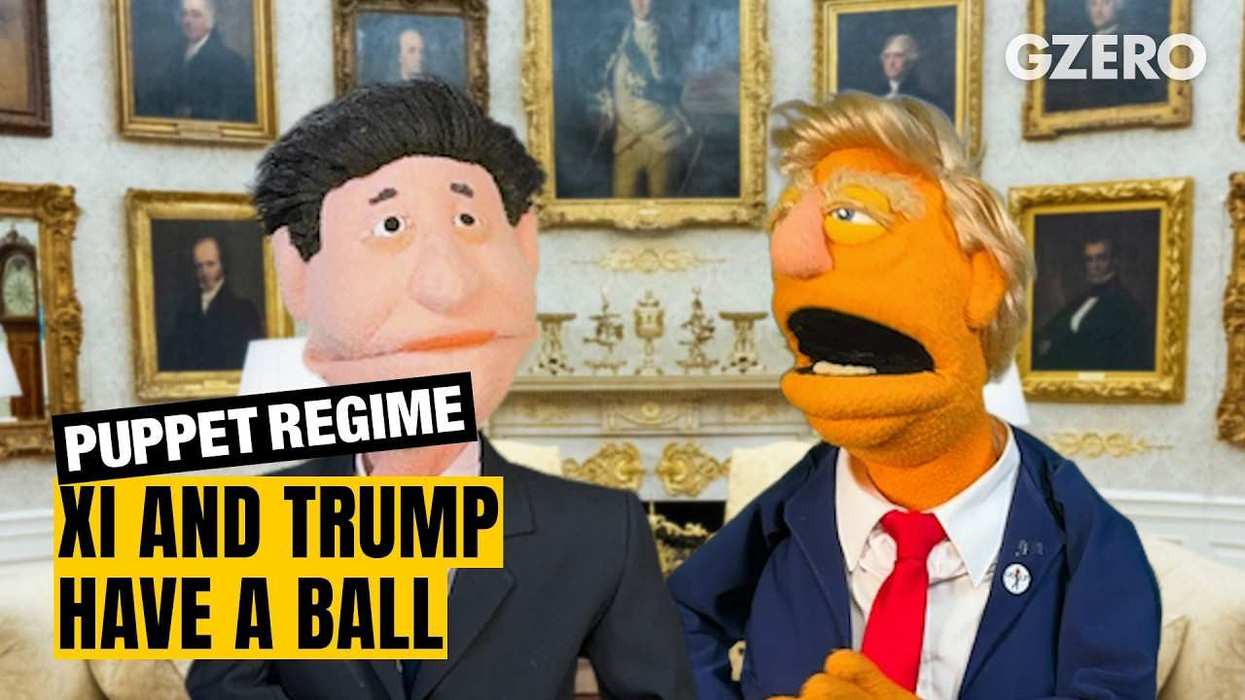
In a way, Trump’s return means Putin has finally won. Not because of the silly notion that Trump is a “Russian agent” – but because it closes the door, finally and fully, on the post-Cold War era that Putin confronted when he first came to power.
Trumpism is, at its core, a rebuke to all the pieties of that era: that globalism would trump nationalism, that free trade and open societies had an inherent appeal, and that there were international “norms” that the US was responsible for policing.
Trump, whether you like him or not, isn’t interested in a high-handed foreign policy based on abstract “values.” He doesn’t care whether Russia is a democracy or an empire. He questions the net benefit of decades-old US alliances like NATO. He has already blown apart what Robert Lighthizer, his first-term trade czar, calls the “free trade theology” that held sway in Washington for decades.
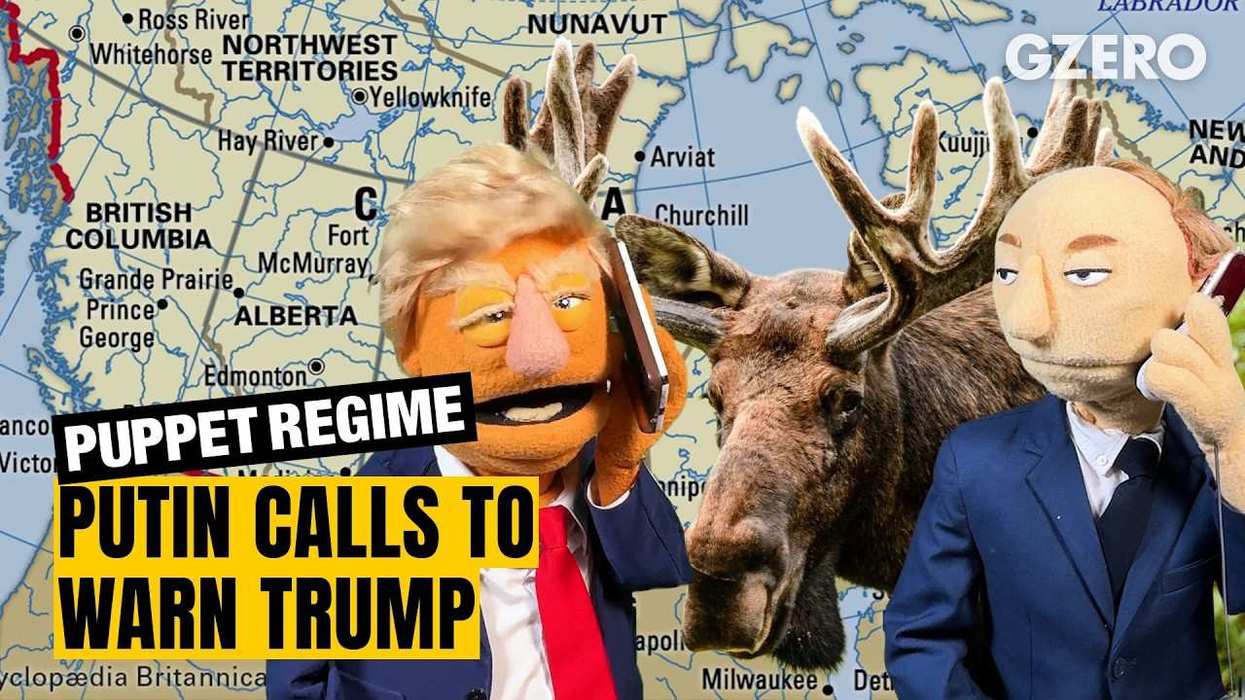
His worldview is a zero-sum, mercantilist, hyper-nationalistic one. Putin, in many ways, can relate. When Trump talks about using force to take over the Panama Canal, Greenland, or Canada because these things would be in America’s national interest as a hemispheric power, for example, he is speaking a political language from before the “end of history.” This is a language Putin speaks fluently. Panama isn’t quite Crimea, but you get the idea.
At his annual marathon press conference a few weeks ago, Putin reflected on the past quarter century, telling BBC’s journalist Steve Rosenberg that he was proud to have “pulled Russia back from the abyss,” after inheriting a deeply indebted, politically fragmented, and listless country from Yeltsin.
Perhaps that’s true, but Russia today is a country locked in a costly conflict of Putin’s choosing, with a shrinking and aging population, a war-warped economy, and a flagging technological base. Shorn of its traditional partners in Europe, Moscow is increasingly dependent either on rogue pariahs like North Korea and Iran, or a superpower China that dwarfs Russia in economic and military capacity.
Over the past 25 years, Putin outlasted the “post-Cold War” world that he resented. But it’s less obvious that he has “taken care of Russia” well enough for it to thrive and prosper over the next quarter century of whatever comes next.