A bitter war is raging again inside a country that is simultaneously one of the world's richest and poorest — and outside players are part of it.
Last December, the Central African Republic, a landlocked nation of 5 million people that holds vast resources of minerals and precious metals, held a contentious presidential election. It was won by the sitting president, Faustin-Archange Touadéra, who has held power since 2016.
But before the vote, former CAR strongman François Bozizé returned from exile to run. After a court disqualified him because he faces war crimes charges at home and UN sanctions, an alliance of militias took up arms against the government, with Bozizé's support.
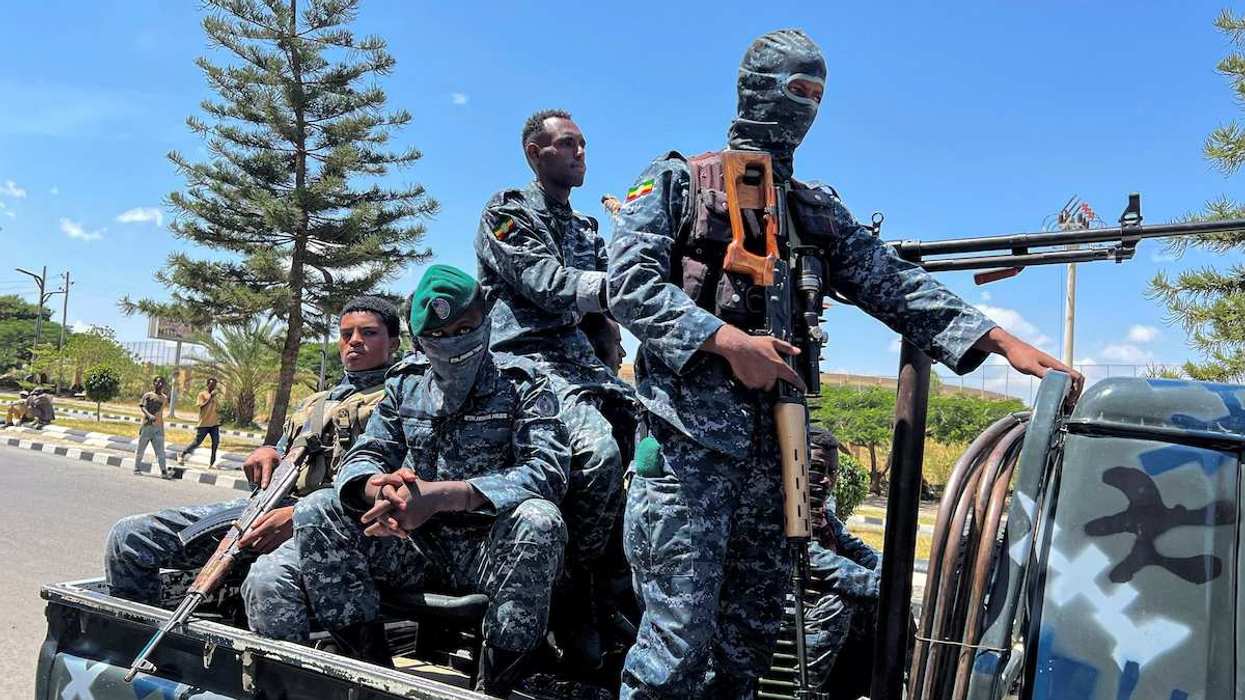
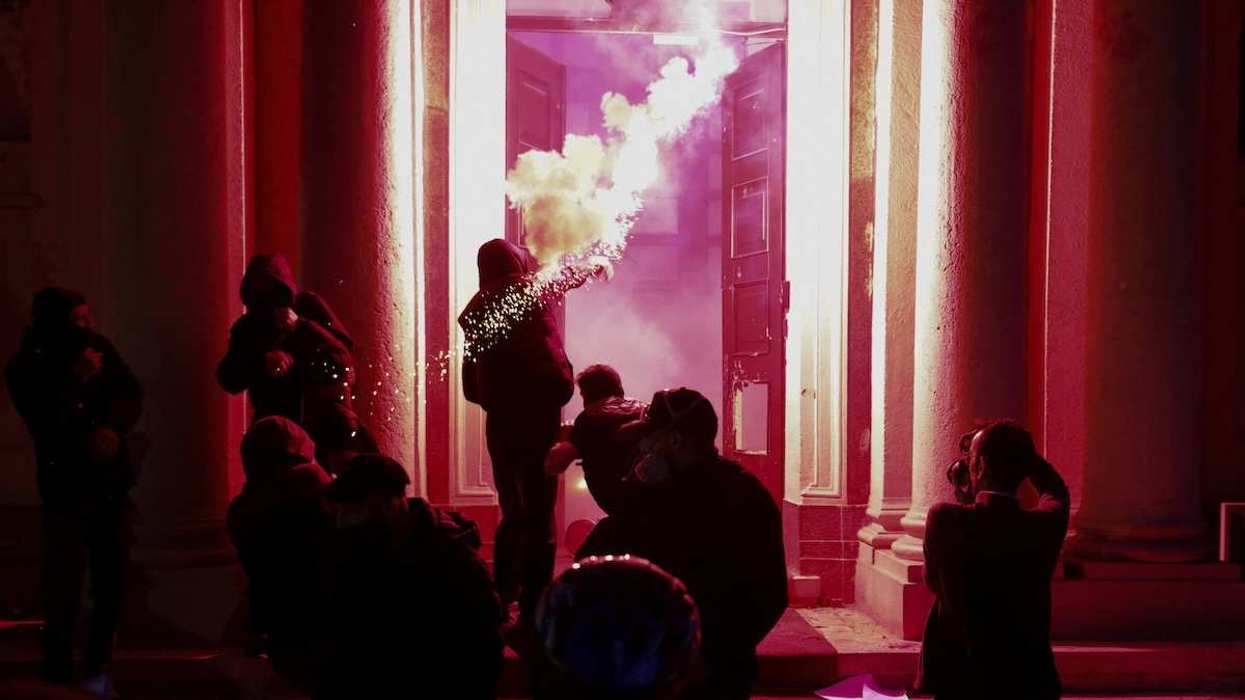
In the weeks since the election, battles have raged between government forces and the coalition of pro-Bozizé militias, which controls vast swathes of the country. In recent days, the rebels have begun cutting off food supply routes to the capital, Bangui.
The back story. Bozizé himself came to power in a coup in 2003 but was toppled a decade later by an alliance of mostly Muslim militias. (Muslims account for about 15 percent of the population, and Christians about half.) After several years of vicious fighting between the remnants of those groups and predominantly Christian warlords loyal to Bozizé, Touadéra was elected president in 2016. In 2019, a peace agreement was signed, but it lasted barely a year until the election drama began late last year.
Outside players are involved. The standoff between the government and the rebels is shot through with high geopolitics, as outside players scramble to fortify their influence over a country rich in diamonds, gold, and other precious minerals.
On the side of the government forces are 13,000 UN peacekeepers as well as soldiers from Rwanda, which has struck natural resource deals with Bangui in recent years, and Russia. The Russian contingent includes several hundred military trainers, but also mercenaries who have provided strong backing to the Touadéra government as part of Moscow's broader push to establish lucrative business and security relationships in Africa.
Meanwhile, the pro-Bozizé rebels appear to enjoy at least tacit backing from Chad, whose well-trained militias have made it something of a regional power broker in recent years as it actively seeks to play a greater role in the continent's security challenges.
Lastly, there is France, the former colonial power, which had troops in CAR as recently as 2016. Paris notionally supports the central government — earlier this month President Emmanuel Macron sent French warplanes roaring over contested villages as a show of force meant to intimidate rebel groups. But Paris is now in the awkward position of supporting a government that won elections marred by bloodshed and which controls only a handful of areas in a country wracked by increasing violence.
This is a humanitarian crisis, and not just for CAR. Despite — or in part because of — its natural resource riches, CAR is one of the poorest countries in Africa, with a per capita GDP of just $510. Years of conflict have left its people perpetually in humanitarian crisis, with as many as 1 million pushed from their homes over the past decade alone, and nearly half the population dependent on foreign assistance.
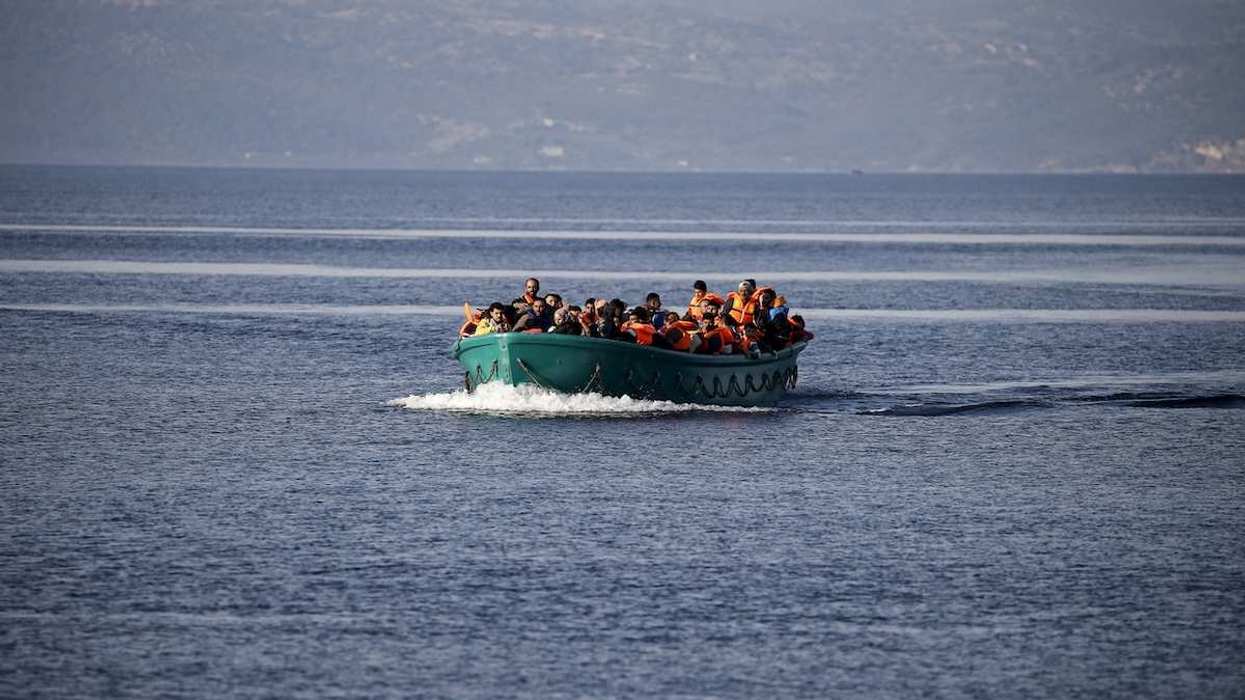
Now, post-election violence has already forced as many as 100,000 to flee. Many of them are seeking refuge in neighboring countries like Sudan, Chad, Cameroon, and Democratic Republic of Congo, some of which are struggling with refugee crises and internal displacements of their own. That's why unrest in the CAR matters for millions of people in one of Africa's most unstable regions.
The longer the conflict drags on — and there are no signs either side is backing down — the worse it will be, not only for the CAR, but for its neighbors too.