Skip to content
Search

Latest Stories

debt crisis

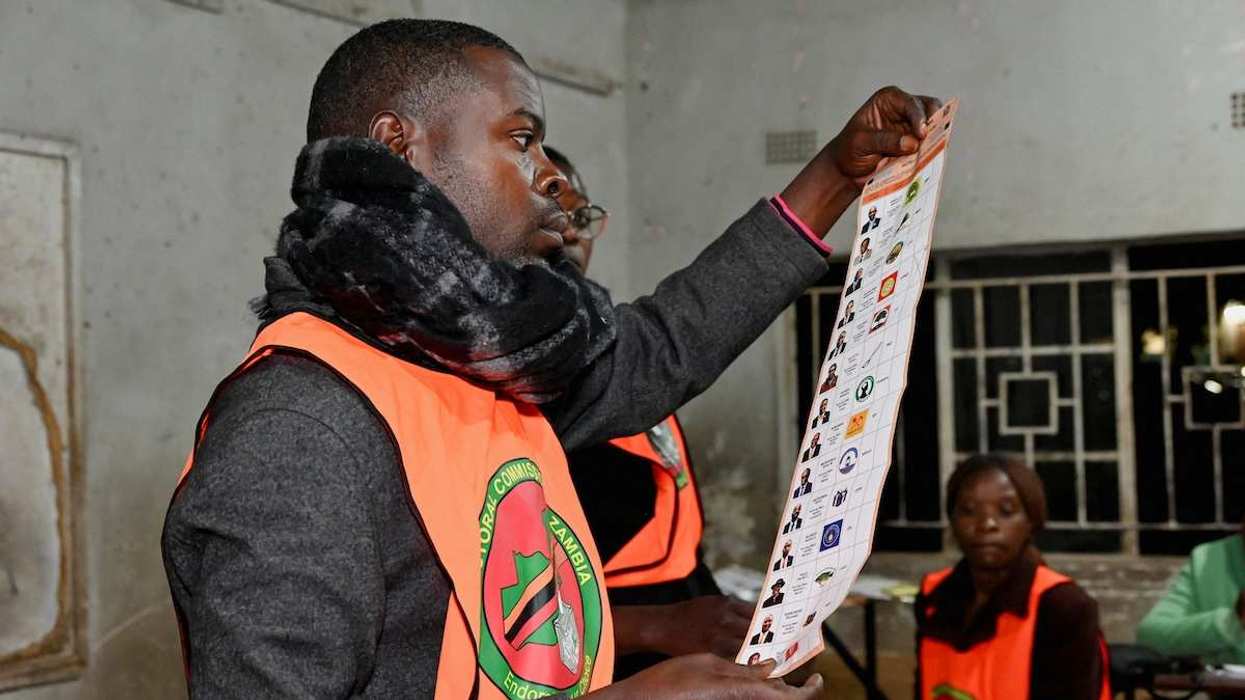
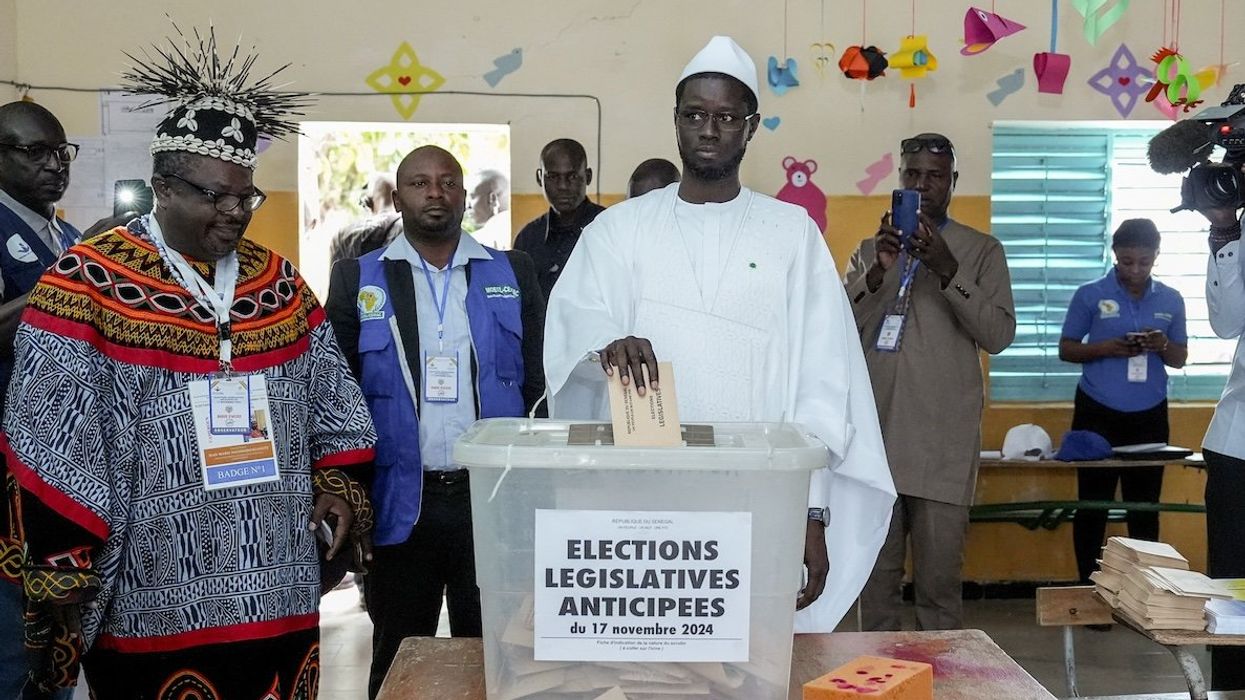
​Senegal's Presidential Bassirou Diomaye Faye casts his ballot during the early legislative election, at a polling station in Ndiaganiao, Mbour, Senegal on Nov. 17, 2024.
What We're Watching

Senegal goes to the polls

President Bassirou Diomaye Faye called the snap vote eight months after taking office, seeking a majority mandate for economic reforms as the country grapples with high inflation and widespread unemployment.

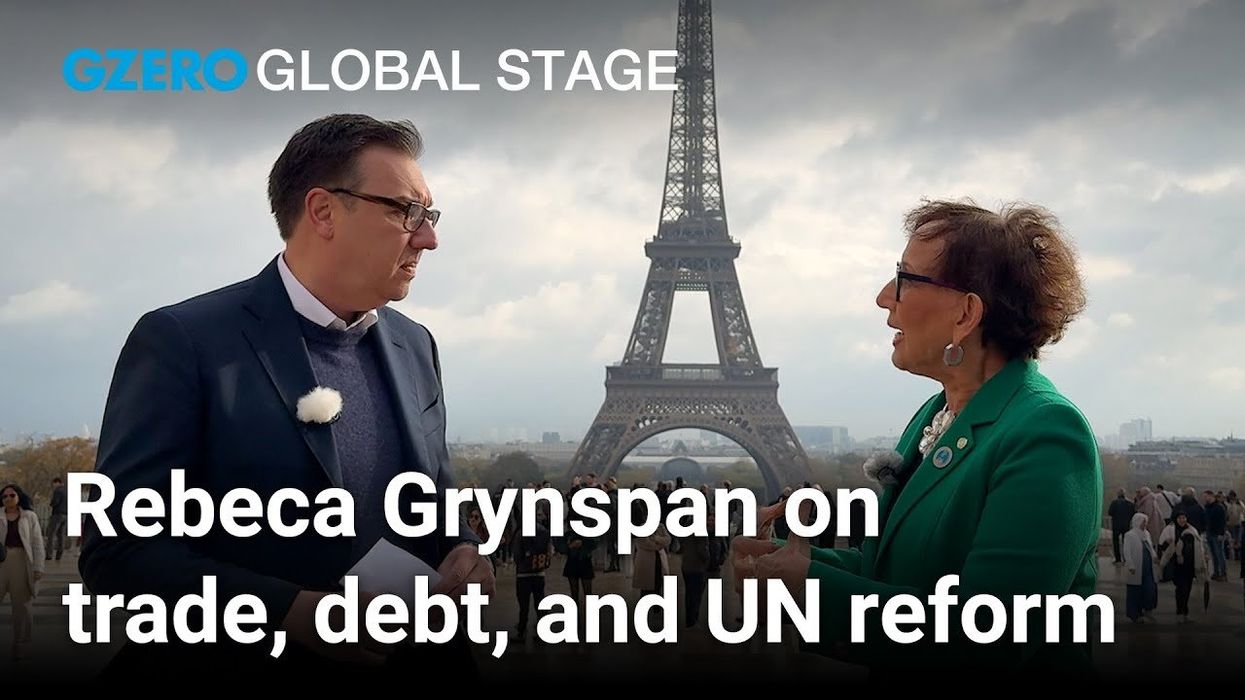
UN's Rebeca Grynspan on the world’s debt crisis: Can it be solved?
Paris Peace Forum

UN's Rebeca Grynspan on the world’s debt crisis: Can it be solved?

Today, around 3.3 billion people live in countries spending more on debt than on essential services like education and healthcare, and governments worldwide are struggling to pay these debts. Rebeca Grynspan, secretary-general of the UN Conference on Trade and Development, warns of looming trade wars and faltering financial systems designed to reduce global poverty and promote development. What will it take to get countries back on track? Grynspan shares insights on this, highlighting the roles of the UN General Assembly and the International Monetary Fund in a Global Stage interview with GZERO’s Tony Maciulis on the sidelines of the 7th annual Paris Peace Forum.

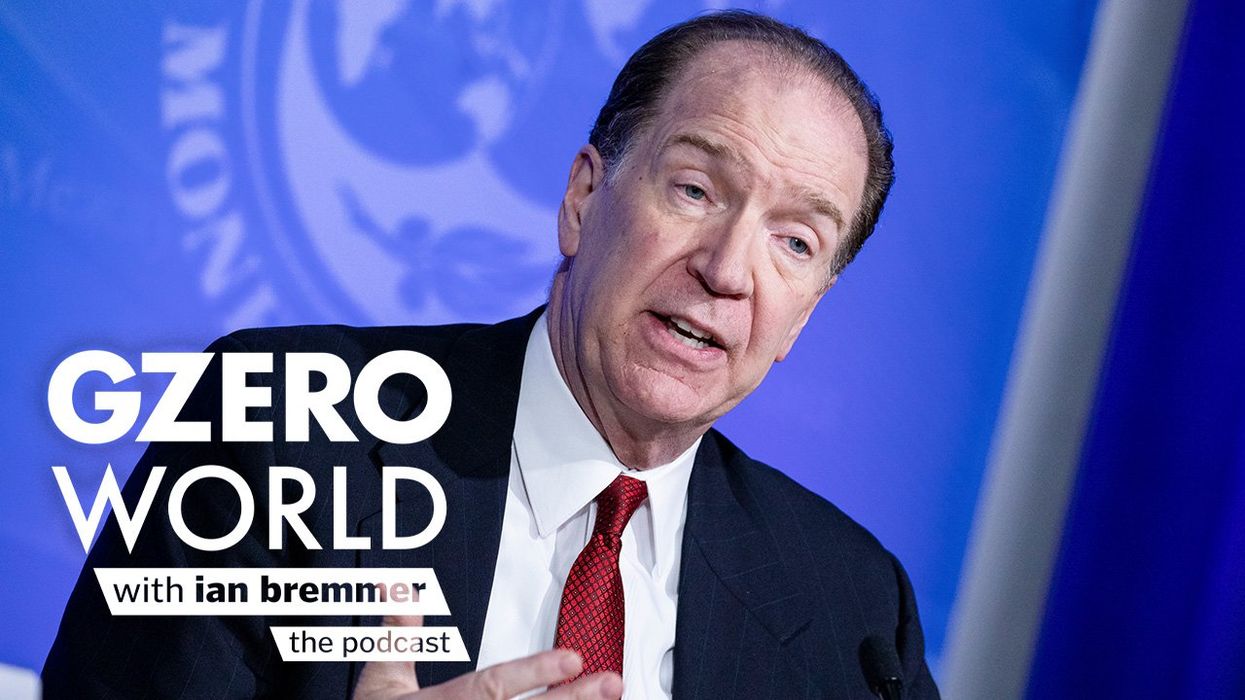
David Malpass (pictured) | GZERO World with Ian Bremmer: the podcast (graphic text)
GZERO World with Ian Bremmer Podcast

Podcast: Fix the global debt crisis before it's too late, warns World Bank's David Malpass

Listen: In his final interview as World Bank president, David Malpass sits down with Ian Bremmer on GZERO World to discuss all things debt. No, not your credit card or mortgage payments, but the sovereign debt that government's use to pay their bills.

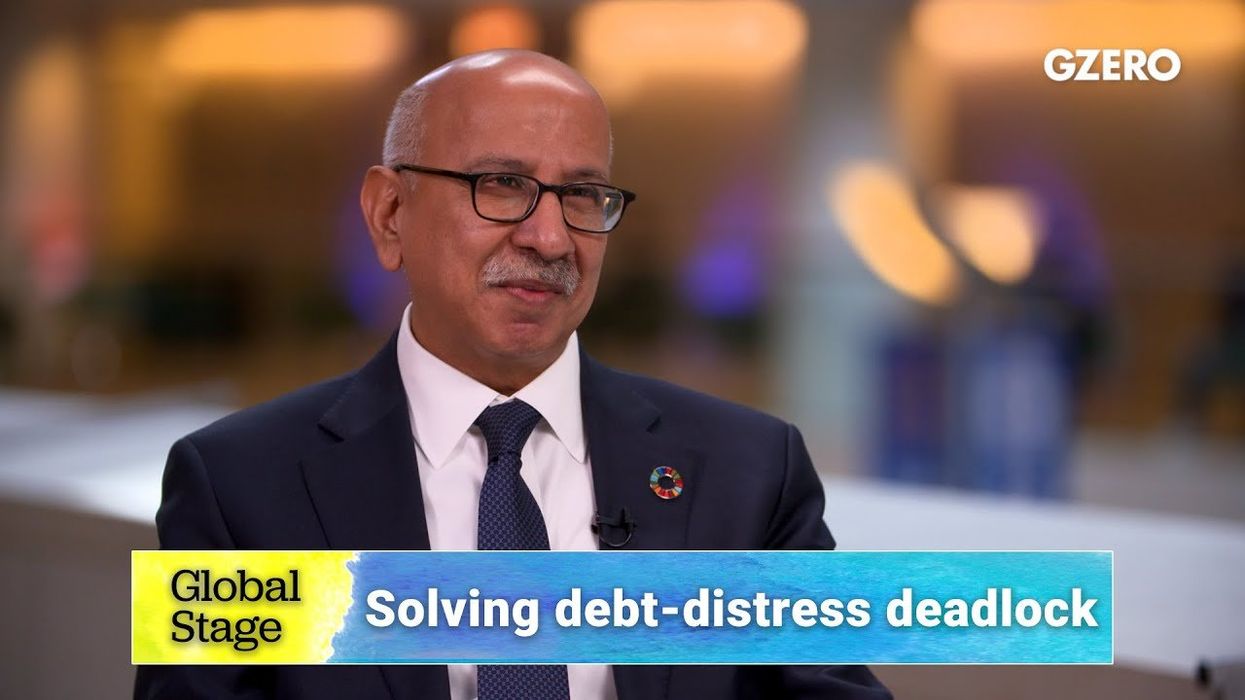
Staving off default: How unsustainable debt is threatening human progress
Crisis Recovery

Staving off default: How unsustainable debt is threatening human progress

Three-fifths of the world's lowest income countries are debt distressed and in danger of default. Navid Hanif, assistant secretary-general for economic development at the United Nations, tells GZERO's Tony Maciulis that we need to make debt more sustainable by restructuring it and that multilateral development banks, such as the World Bank, should offer affordable longer-term loans with lower interest rates to allow least developed countries better opportunities to deal with crises like climate change, poverty, and educating children.

NATO flag
US & Canada

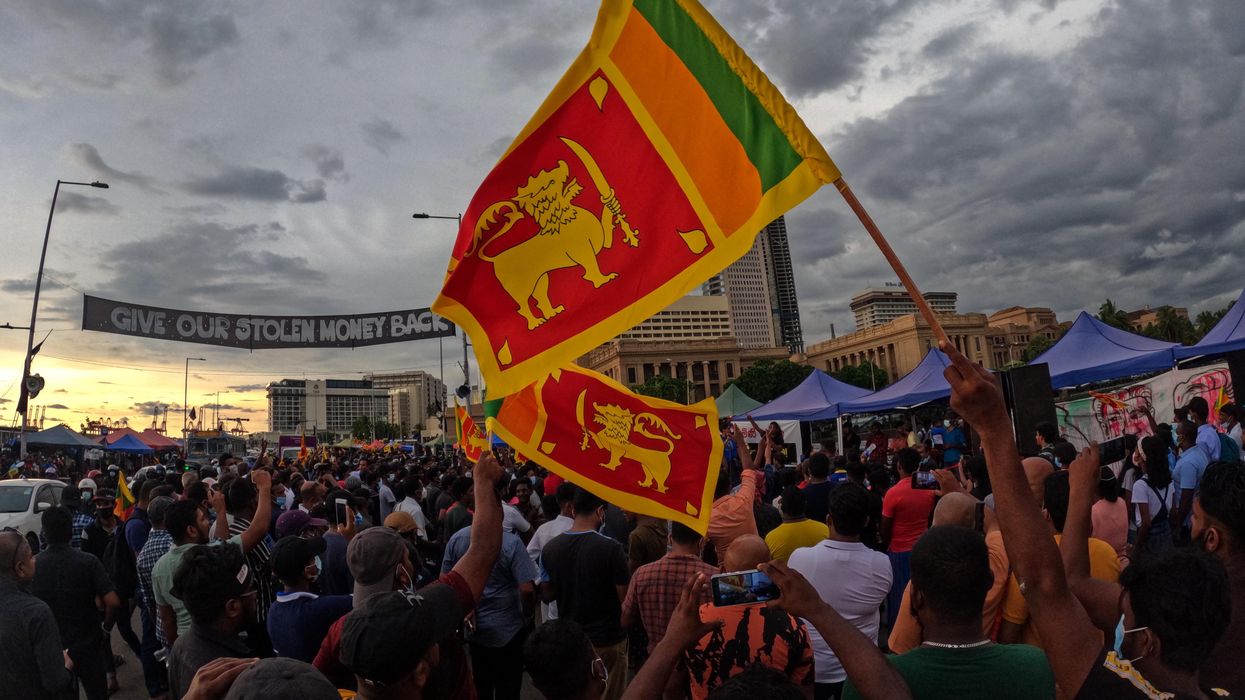
What We’re Watching: NATO members’ defense budgets, Social Security as a political weapon, China’s support for Sri Lanka

NATO chief wants more defense spending; The politics of entitlements; Will China offer Sri Lanka debt salvation?

Can the world avoid a global recession?
GZERO World with Ian Bremmer

Can the world avoid a global recession?

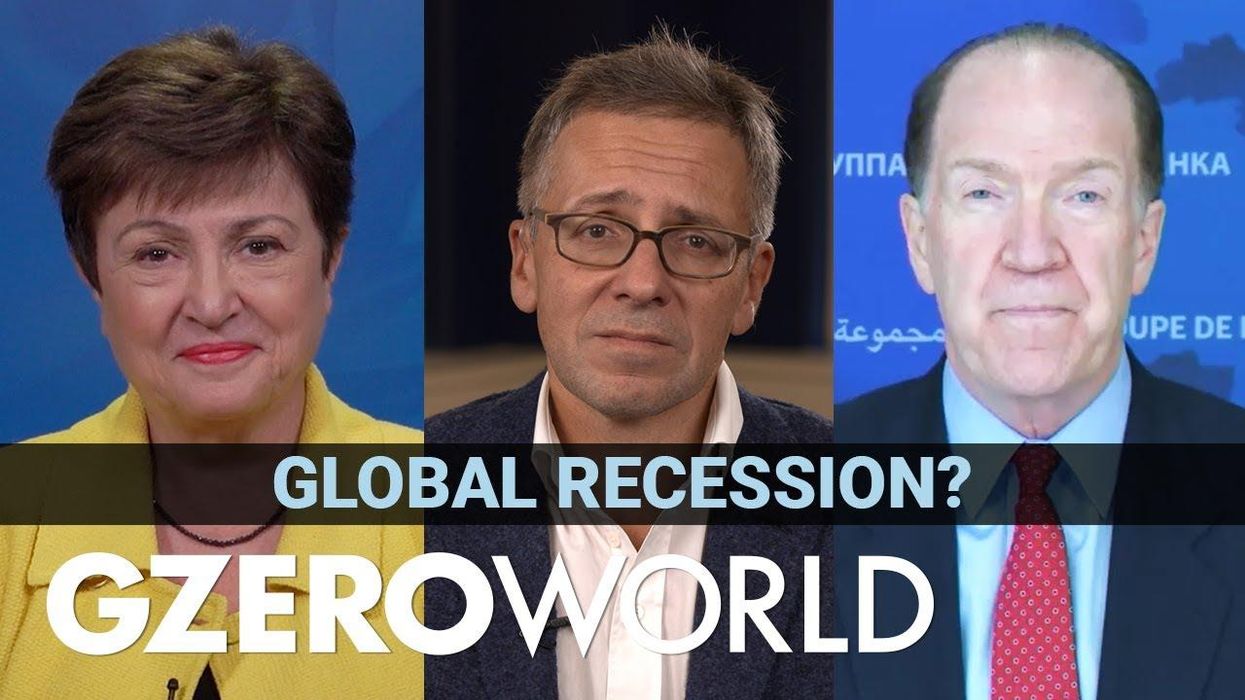
This year, the annual fall meetings of the World Bank and the IMF are all about global economic doom and gloom. How bad will it get? Are we headed toward a worldwide recession? And who will bear the brunt of the pain? To get some answers, GZERO World with Ian Bremmer has two very special guests: World Bank President David Malpass and IMF Managing Director Kristalina Georgieva.

Is the world on the brink of another global recession?
Crisis Recovery

Is the world on the brink of another global recession?

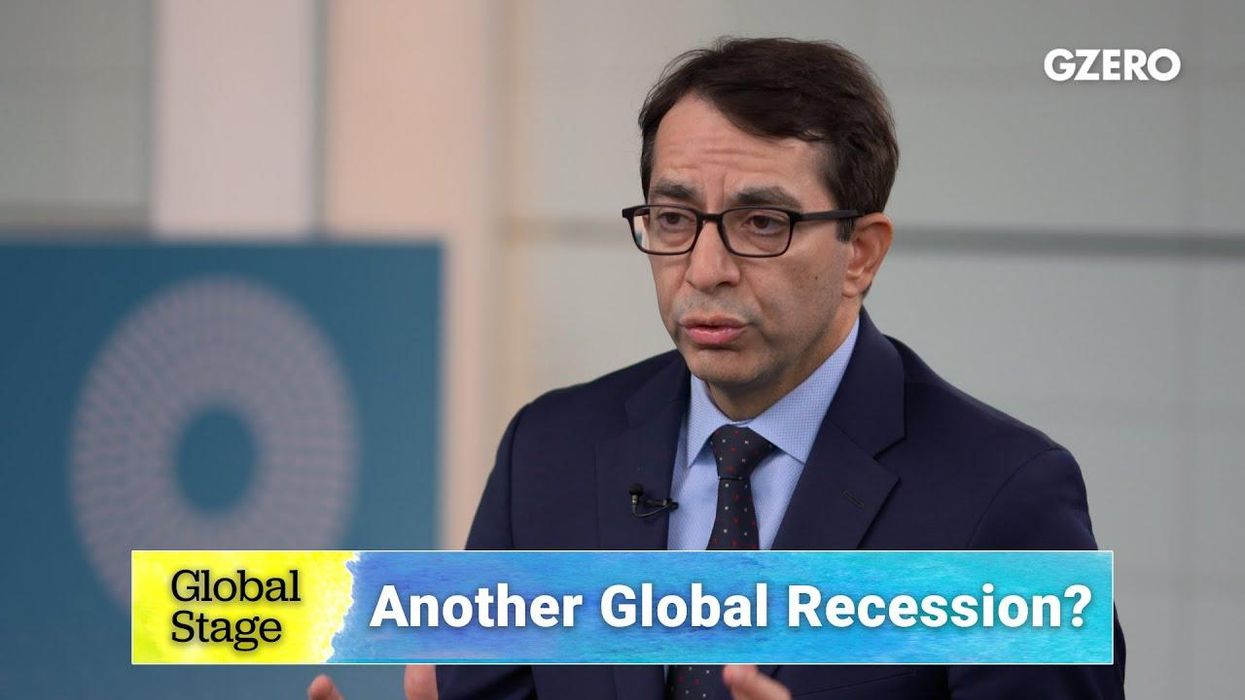
The global economy's 2023 outlook is ... bleak. Why? Ayhan Kose, the World Bank’s chief economist for Equitable Growth, Finance, and Institutions, says that unlike the 2009 and 2020 global recessions, next year's likely slowdown in economic activity — coupled with growing inflation — could be more like the one of 1982, which also came with a string of debt crises.

What We’re Watching: Sri Lanka on strike, trouble in Transnistria, Salvadorans back Bukele
Europe

What We’re Watching: Sri Lanka on strike, trouble in Transnistria, Salvadorans back Bukele

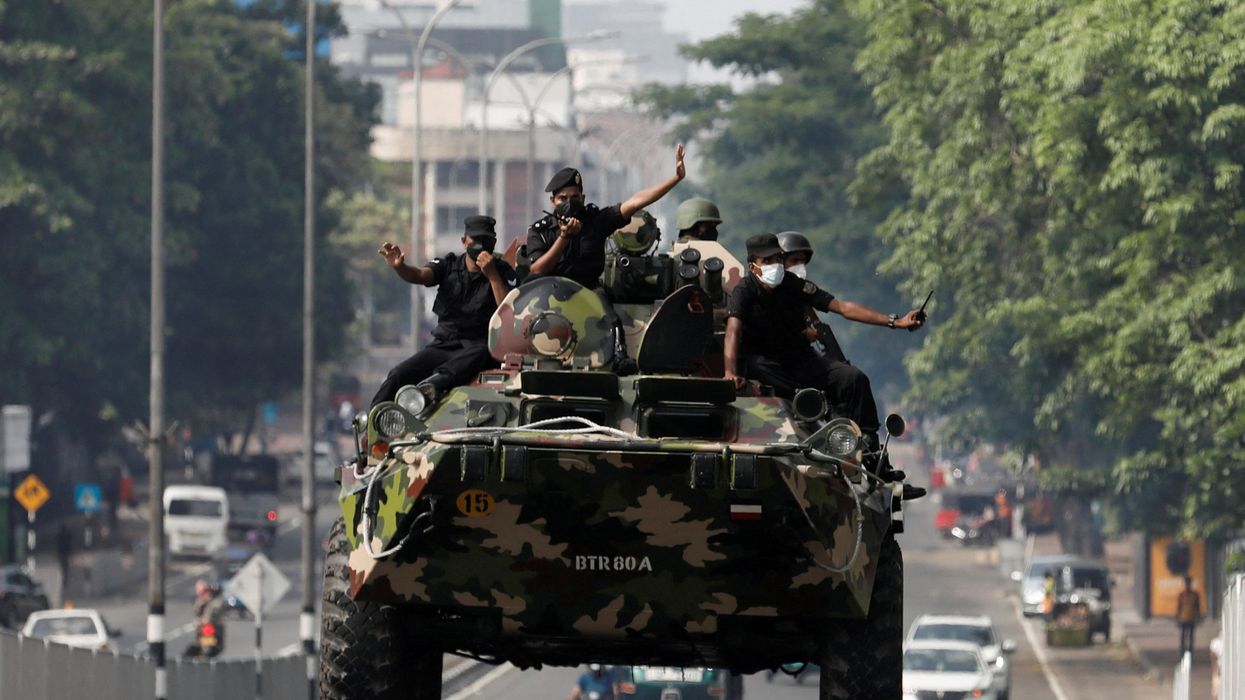
Sri Lankans strike to get the president out, war spills across Ukraine’s borders, Salvadorans support Bukele’s tightening grip