A recent string of coups in West Africa has sent a troubling sign about the health of democracy in the region. Can anything be done to reduce the likelihood of future military takeovers? According to Amaka Anku, head of Eurasia Group’s Africa practice, the situation requires new approaches to governance and institution-building. We sat down with Amaka to learn more about her views.
Why so many coups?
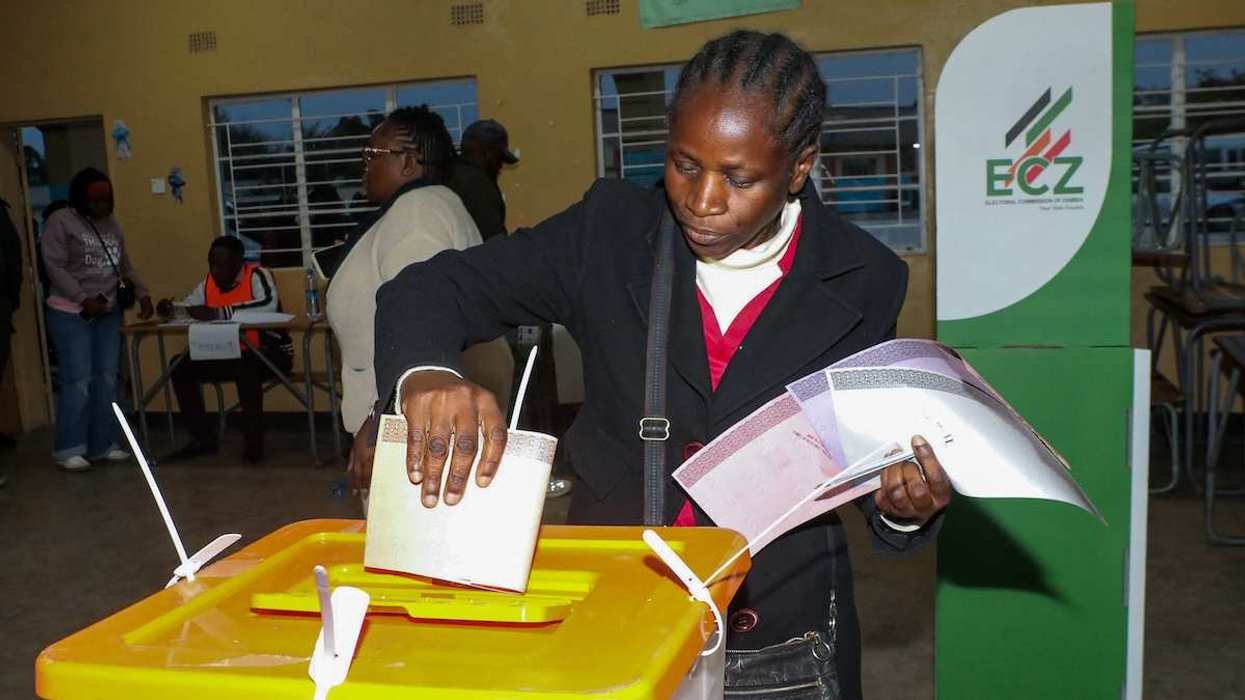
A lack of state capacity to protect citizens and provide them with services is the main factor. Other problems such as the Islamist insurgency in the Sahel have also contributed — especially in Burkina Faso and Mali — but they are symptoms of this deeper issue, not its cause. National governments in Africa are relatively weak and have limited clout outside of capitals and major cities, constraining their ability to serve their citizens. This makes it difficult for the state to fulfill its end of social contracts, undermining its legitimacy. The international response to the coups, which has typically taken the form of calls for fresh elections and a quick return to flawed constitutional orders, does not address this underlying weakness. Elections alone do not guarantee a strong state. On the contrary, holding elections without supporting the development of a coherent national identity and competent bureaucracy increases the likelihood of future military interventions.
So, what should the international community be doing?
The main regional body, the Economic Community of West African States, has traditionally emphasized maintaining the appearance of democracy and ignored broader governance problems. For instance, it was silent when former President Alpha Condé controversially amended Guinea’s constitution in 2020 to secure a third term despite nationwide protests against his plans. But when a military junta seized power in September 2021, ECOWAS was quick to impose sanctions. This apparent lack of interest in checking misconduct if states regularly hold elections feeds into perceptions among ordinary citizens that the regional body and its allies are part of the problem, hurting its credibility as an impartial actor.
If ECOWAS really wants to deter future coups, it should move more quickly to punish leaders who subvert constitutional order — whether or not that is by a military takeover. But punishment must not come in the form of broad sanctions that ultimately hurt citizens more than the erring political or military leaders, because the latter have access to state funds.
ECOWAS should also consider leading a more coordinated response to the problems of insecurity across the Sahel. Closer collaboration among intelligence and security forces across the region could help strengthen governments’ abilities to assure the safety of their citizens, which would in turn boost perceptions of state legitimacy.
What sort of political changes would help?
Contemporary political systems in West Africa often strive to meet Western models of governance without adequate consideration of domestic peculiarities and local customs. In part as a result, they have failed to adequately support the development of the state. African intellectuals must now dig deeper to craft governance models that are more suited to domestic realities. That means prioritizing the well-being and dignity of citizens, while emphasizing African values such as freedom of speech and association, diversity, and inclusion. It also means focusing less on copying processes and customs that formed in advanced democracies following centuries of political settlement there and spending more time figuring out how to formalize local structures of power like traditional and religious leadership — something Botswana has done successfully with its House of Chiefs. Countries should also make plans to improve the quality and reach of local governance a priority. That could mean barring individuals from seeking national office until they have had experience in local government, something that would both mitigate the problem of vast ungoverned spaces in many African countries and prepare a class of future national leaders with experience dealing with policy challenges at the local level.
What about socio-cultural changes?
The arbitrary nature of African state formation by colonial powers created countries with high levels of ethnic tensions. Consequently, ethnic loyalties often take precedence to national identities. To bolster state legitimacy, governments should build a clear and dominant messaging campaign around a national purpose to drive broad acceptance of a common set of organizing principles. This, if successful, could form the basis of a social contract that clearly defines the relationship between citizens and the state.
Putting an end to a culture of impunity in government and among elites is another important step. A zero-tolerance approach to corruption or other forms of wrongdoing, especially among political appointees, is necessary to build trust in national institutions. Finally, encouraging a culture of transparency in government based on timely, aggressive communication of government actions and priorities would encourage participation in the political process by average citizens.