Crisis Recovery
Africa needs reachable climate goals, says DRC lawmaker Jeanine Mabunda
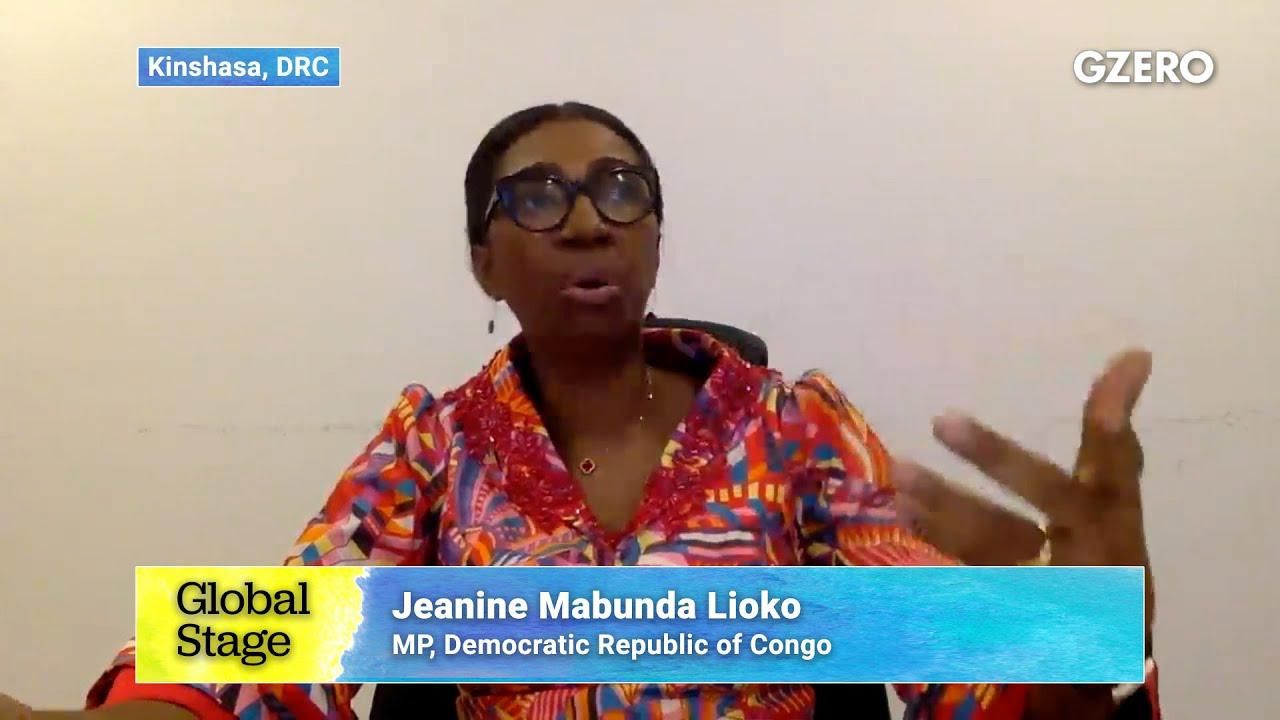
Africa Needs Reachable Climate Goals, Says DRC Lawmaker Jeanine Mabunda | Global Stage
Africa is barely responsible for today's climate crisis, yet African governments are being asked to stop using fossil fuels like everyone else. That just won't work, says DRC member of parliament and former speaker Jeanine Mabunda Lioko, unless rich nations make good on their climate finance pledges for the continent. Africa, she explains, needs "concrete and reachable goals" that provide access to reliable energy, and there will be a lot of pressure to deliver on promises ahead of the next COP climate summit, which will take place in an African country.
Mabunda spoke during a live Global Stage event, "Climate Crisis: Is net zero really possible?" Watch the full event here.
With Israel and the US heading to the polls, could elections change the course of the Middle East’s conflicts? Brett McGurk joins Ian Bremmer to discuss the Iran war, escalating Houthi attacks, and whether Washington has a strategy to contain the turmoil.
Think you know what's going on around the world? Here's your chance to prove it.
Even as Israel grows increasingly isolated on the world stage, there is one region where a whole swath of newly-elected leaders can't seem to get enough of the Jewish State: Latin America.