In 60 Seconds
Can the eurozone survive with its economy shrinking at a record rate?
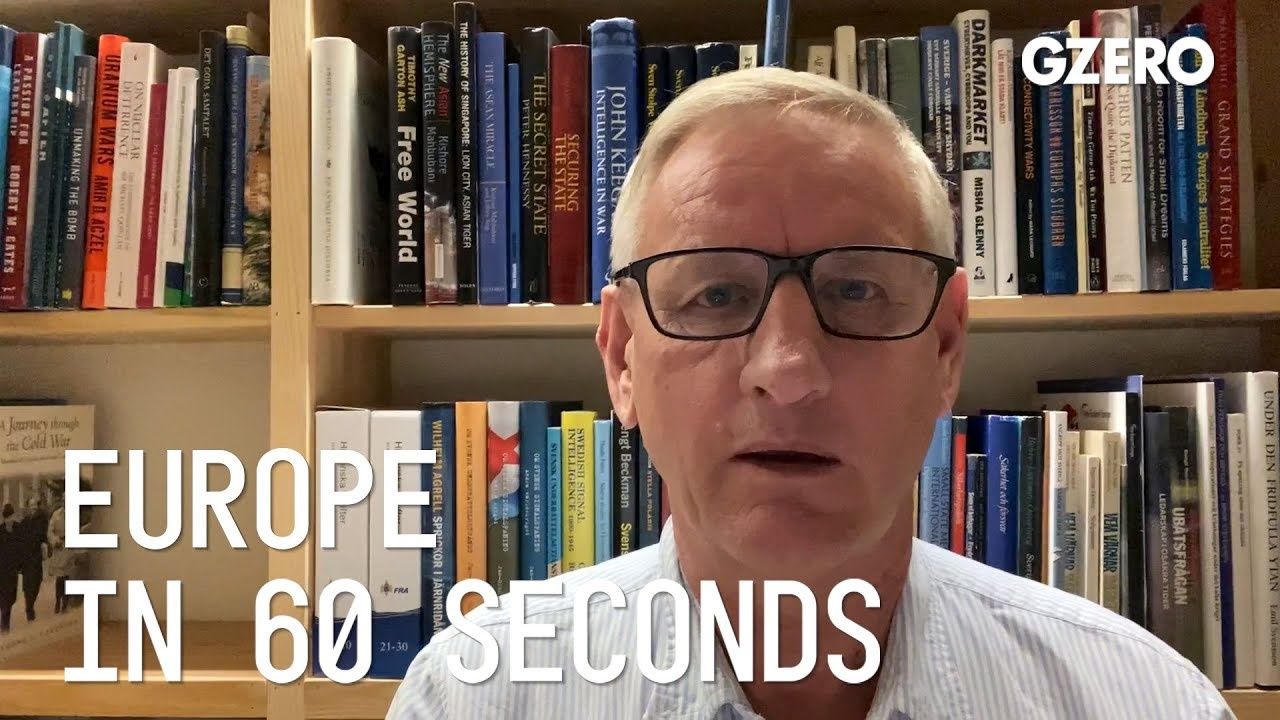
TITLE PLACEHOLDER| Europe In :60 | GZERO Media
Can the Eurozone survive with the economy going downhill as fast as it does? What can be done?
Yes, it can survive. But it's going to be tricky times. I think all of the advanced economies are going to suffer very significant setbacks in terms of economic growth. And there is a need for enormous stimulus and demand support measures. That's already also done. The problem that is there in the eurozone is the discrepancy between the economic performance of the different countries. And that will have to be sort of addressed.
Will Germany be forced to reintroduce lockdowns, when there are signs of the infection starting to take off again?
Well, I think this problem is going to be encountered by virtually every country. You've seen in Singapore, that it's going to be not a straight curve down. It's going to be ups and downs. And that must be weighed against, all the time, to sort of, reinforce measures or reinforce lockdowns, now and then, as we enter a very gradual and very careful period of trying to learn to live with the virus. We haven't got rid of it. We have to learn to live with it, the one way or the other.
In his latest Quick Take, Ian Bremmer examines the stability of US-China relations and why he believes the period of relative calm between the two countries may be coming to an end.
Prime Minister Anutin Charnvirakul quickly responded by vowing tougher gun-control legislation and a renewed crackdown on illegal weapons.
Check out the latest swag from the official Puppet Regime merchandise store! Browse an array of products that will show the world you are a devoted subject of the Regime, including: A big, beautiful mug for drinking coffee very strongly, A handsome tote bag to carry your favorite classified documents, Collectible stickers, Stylish t-shirts and hoodies – now also available in pink. We ship worldwide! Shop now at shop.puppetregime.tv!
US-backed negotiations are opening a possible path to democratic elections in Venezuela – even as the country’s most popular opposition leader remains outside the room.