GZERO AI
China’s powered-up chips
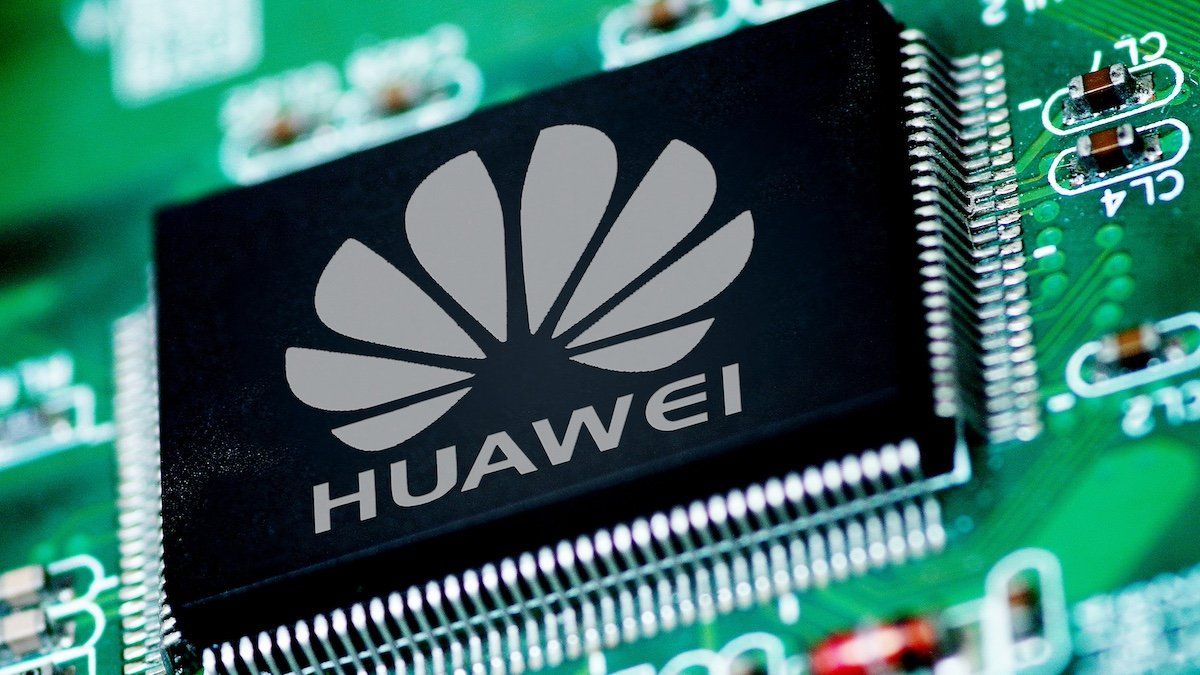
--FILE--A chip of Huawei is seen in Ji'nan city, east China's Shandong province, 20 April 2018.
Oriental Image via Reuters Connect
Two Chinese firms are readying production of new 5-nanometer semiconductors, according to The Financial Times, putting China one step closer to technological parity with the US. SMIC will mass-produce the high-powered chips, designed by Huawei, in Shanghai, which can be used to power next-generation smartphones.
The report says that if the smartphone chip line runs smoothly, SMIC will turn next to making Huawei’s Ascend 920 graphics chips, which the Chinese chip designer hopes will rival high-end NVIDIA’s H100 chips.
The Biden administration has taken extensive steps to curb the influx of chips and chip-manufacturing technology into China. The US is especially concerned about China using AI to boost its military capabilities, which require the highest-powered chips, such as those built by AMD and NVIDIA.
That said, Xiaomeng Lu, Eurasia Group’s director for geo-technology, compared the 5nm chips to Huawei’s demonstration of a 5G phone last year.
“It shows signs of China making progress – and they will catch up in the long term – but in the grand scheme of things this is an incremental, not a groundbreaking step,” she said.
In this special edition of “ask ian,” Ian Bremmer reflects on the life and passing of his beloved dog, Moose.
2.8 is way above the UN target of 1.5 degrees that was set by the 2015 Paris Agreement.
Prime Minister Giorgia Meloni has deployed 500 troops to Milan and tightened nationwide anti-rioting laws in an effort to quell unrest that has gripped the city since the weekend.
President Trump has changed course on Ukraine before. We all remember the Oval Office pyrotechnics (and the reconciliation). But his latest turn toward Russia could prove harder to reverse.