Crisis Recovery
Eurasia Group’s Gerald Butts: US climate change debate has moved from finger-pointing to solutions
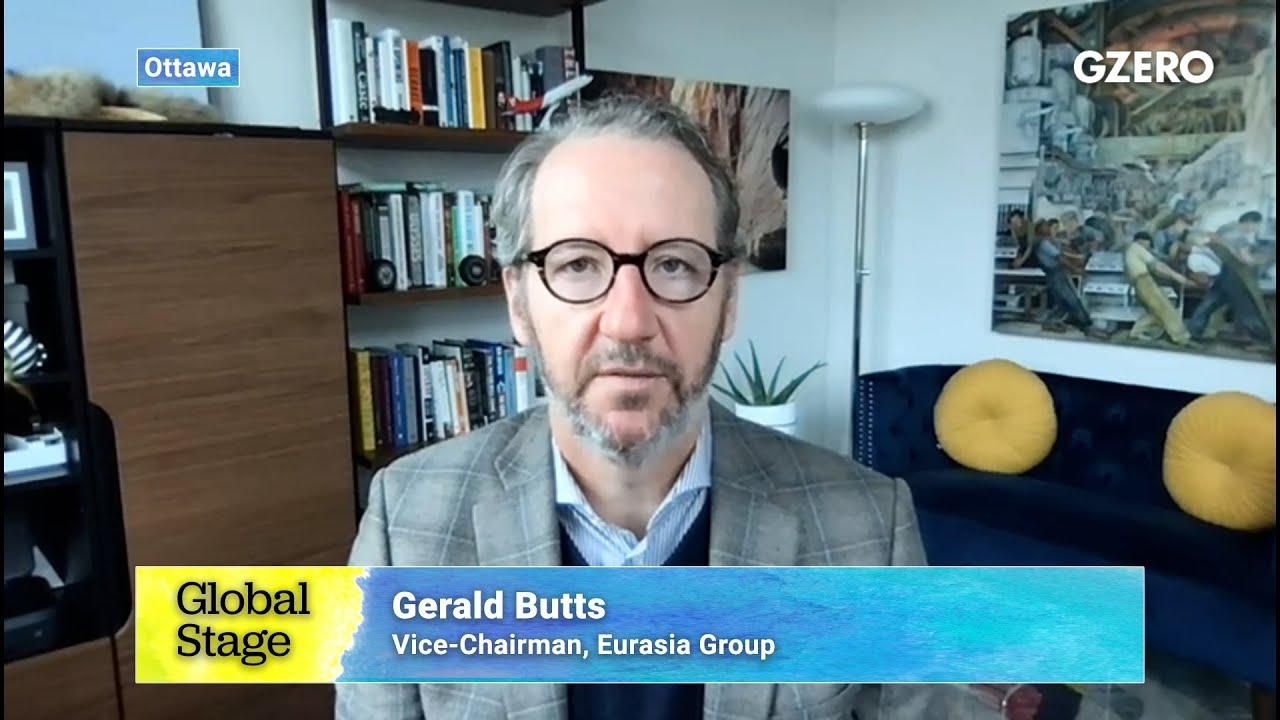
EG’s Gerry Butts: US Climate Change Debate Moves From Finger-pointing to Solutions | Global Stage
Five years ago, for the US president to say it's time to move away from fossil fuels sounded like an episode of The West Wing. Not anymore, says Eurasia Group Vice Chairman Gerald Butts. In his view, the climate debate in the West has (finally) moved from who's responsible, to what we're going to do about it — "much more productive ground." Butts admits the enormous inertia in the US political system that'll fight change on climate, but ultimately believes that "when you take the very long view, the direction of travel of has set in."
A Democratic sweep in 2026 could shake up Washington. Will it change Trump’s grip on power or set the stage for 2028? Amy Walter and Liam Donovan join Ian Bremmer on GZERO World.
With Trump's popularity sinking ahead of the midterms, Republicans face a difficult choice: embrace the president or distance themselves from him? Amy Walter and Liam Donovan explain how both parties are navigating the final weeks of the campaign.
With the midterms just weeks away, Democrats are hoping for a blue wave, while Republicans are fighting to hold onto Congress. Amy Walter and Liam Donovan join Ian Bremmer to break down the races, the issues driving voters, and what the results could mean for Trump's presidency.
With the midterms just weeks away, Democrats are eyeing control of Congress as Republicans struggle with the political fallout from the Iran war, rising prices, and Trump's unpopularity. Amy Walter and Liam Donovan join Ian Bremmer to break down what could happen in November and what it means for the future of both parties.