News
Hard Numbers: US economy down, Bennett picks up his tab, no ransom in Nigeria, South Koreans spy for North
Paige Fusco
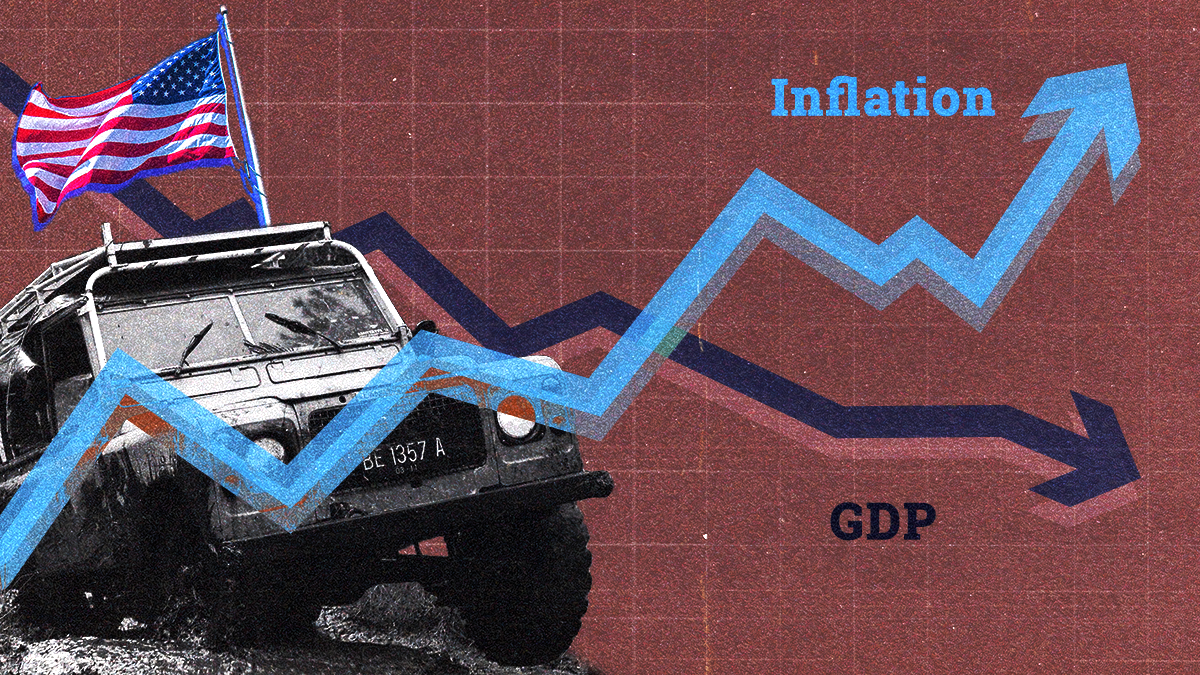
1.4: US economic growth shrank by 1.4% year-on-year in the first quarter of 2022, the first contraction since the pandemic began. Bad news for President Biden, but a recession can still be avoided if Americans keep spending, hiring remains strong, and wages keep pace with inflation.
7,400: Israel's PM Naftali Bennett says he'll pay for his own meals from now on after running up a $7,400 monthly food tab covered by taxpayer money. Bennett, a self-made millionaire who still lives in his private residence, claims to spend three times less per month than his predecessor Bibi Netanyahu, famous for his lavish lifestyle.
15: Nigeria has updated its terror law in a bid to fix its kidnapping problem. Anyone who pays a ransom now faces a minimum 15-year sentence, and abductors who kill now face the death penalty.
2: Two South Koreans have been arrested for allegedly passing secrets to the North. The pair — a crypto CEO and an army officer — are accused of sharing login details for South Korea's joint military command in exchange for a hefty payday in Bitcoin.Think you know what's going on around the world? Here's your chance to prove it.
Critics have said that Zelensky – now in his seventh year in office – has been in power for too long.
Washington and Ottawa are down to the wire with last-minute talks to reach an agreement by 12:01 a.m. Wednesday, when President Donald Trump has threatened to impose 50% tariffs on over $20 billion of Canadian goods.
On Monday, public health officials said the virus had killed 2,325 people.