September 20, 2024
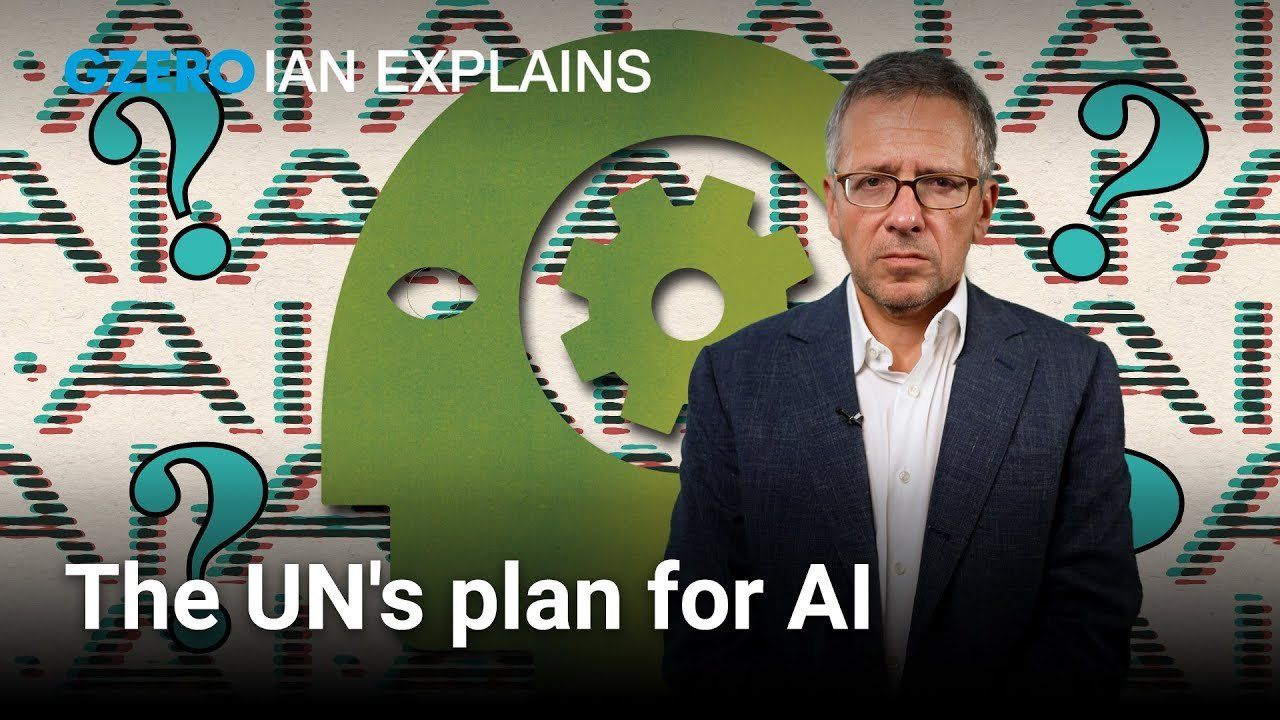
Will the United Nations be able to adapt to address problems of the modern era, like artificial intelligence and the growing digital divide? On Ian Explains, Ian Bremmer looks at the challenges of multilateralism in an increasingly fragmented world.
In the face of crises like Russia’s invasion of Ukraine, the war in Gaza, and a rapidly warming planet, the UN’s goals of peace and security feel like a failure. But this year’s Summit of the Future during the General Assembly could be a turning point for the 78-year-old institution. UN members will vote on a Global Digital Compact to regulate AI, fight misinformation, and connect the whole world to the internet. Bremmer is one of 39 experts on the UN’s High-Level Advisory Body who've been studying the issue of global AI governance for the past year to better understand what that Compact should include. This week, the group released a report called “Governing AI for Humanity” with recommendations for creating a global regulatory framework for AI that is safe, inclusive, and equitable. Instead of a patchwork of regulation that’s happened so far, which has been concentrated in wealthy countries, can the UN lead the global AI conversation?
GZERO World with Ian Bremmer, the award-winning weekly global affairs series, airs nationwide on US public television stations (check local listings).
New digital episodes of GZERO World are released every Monday on YouTube. Don''t miss an episode: subscribe to GZERO's YouTube channel and turn on notifications (🔔).
From Your Site Articles
More For You
Visit Microsoft On the Issues to learn how Microsoft is thinking about the future of sustainability, accessibility, cybersecurity, AI, and more. Check back regularly to watch videos and read blogs and features on how Microsoft is approaching the issues that matter most. For the latest, follow Microsoft On the Issues.
Most Popular
Think you know what's going on around the world? Here's your chance to prove it.
Abductions by armed groups, including Boko Haram-linked militants, have become increasingly common to extract ransom payments.
As the AI boom drives demand for data centers, smaller countries are betting that cheap energy and land can earn them a place in the global race for computing power
© 2025 GZERO Media. All Rights Reserved | A Eurasia Group media company.