News
India
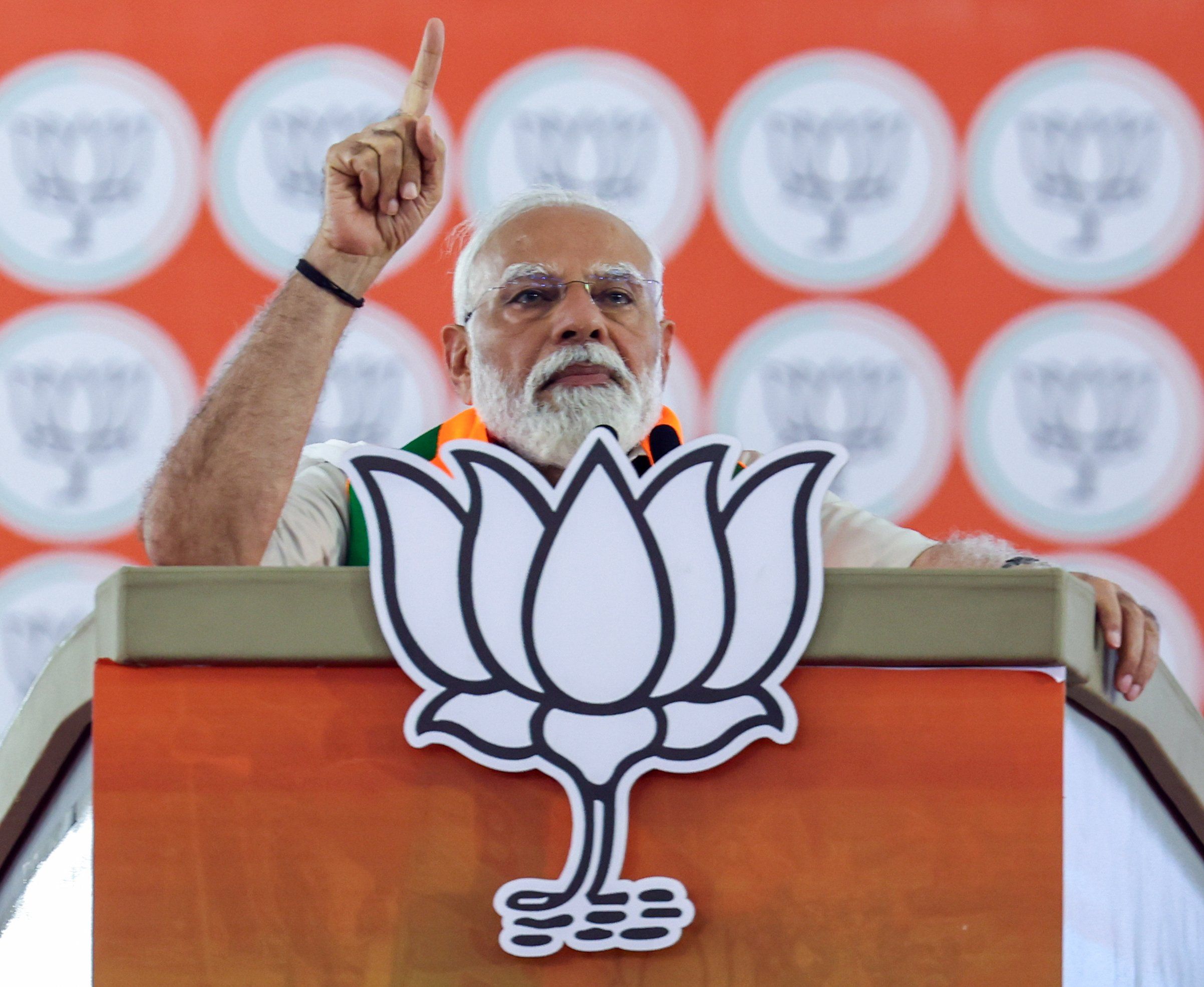
Prime Minister Narendra Modi addresses a public meeting for the Lok Sabha elections, in Chandrapur on Monday.
BJP via Reuters Connect
Despite a Supreme Court ruling limiting anonymous campaign donations – a ruling that will affect future campaigns – Modi’s BJP party is leading in fundraising and the polls. Modi’s popularity remains strong due to his strong-man image and commitment to India rising in global prominence.
But he is not without enemies. Around 10,000 farmers have been protesting Modi’s policies, and they form a powerful voting bloc that the BJP will have to appease before polls open.
Last year, more than two dozen regional parties came together in an attempt to take down the BJP, but ideological differences and personality clashes are causing the opposition coalition to crack during these crucial months ahead of the election.
Online betting activity appears closely tied to the sports calendar, with first-time users rising during basketball and football seasons. Major sporting events, promotions, and growing interest in prediction markets may also boost participation. See the Institute’s full analysis.
New polling from Pew Research Center across 37 countries shows that the share of the public who believe social media is a “bad thing” for democracy has increased significantly since 2022.
In this Quick Take, Ian Bremmer says President Donald Trump's approach to the war in Ukraine is putting more pressure on President Volodymyr Zelensky and raising concerns among European allies about the future of NATO.
Ongoing student protests in France descended into looting and riots over the weekend as more than half a million people took to the streets across the country.