GZERO World with Ian Bremmer
Is Russia winning the war in Ukraine?
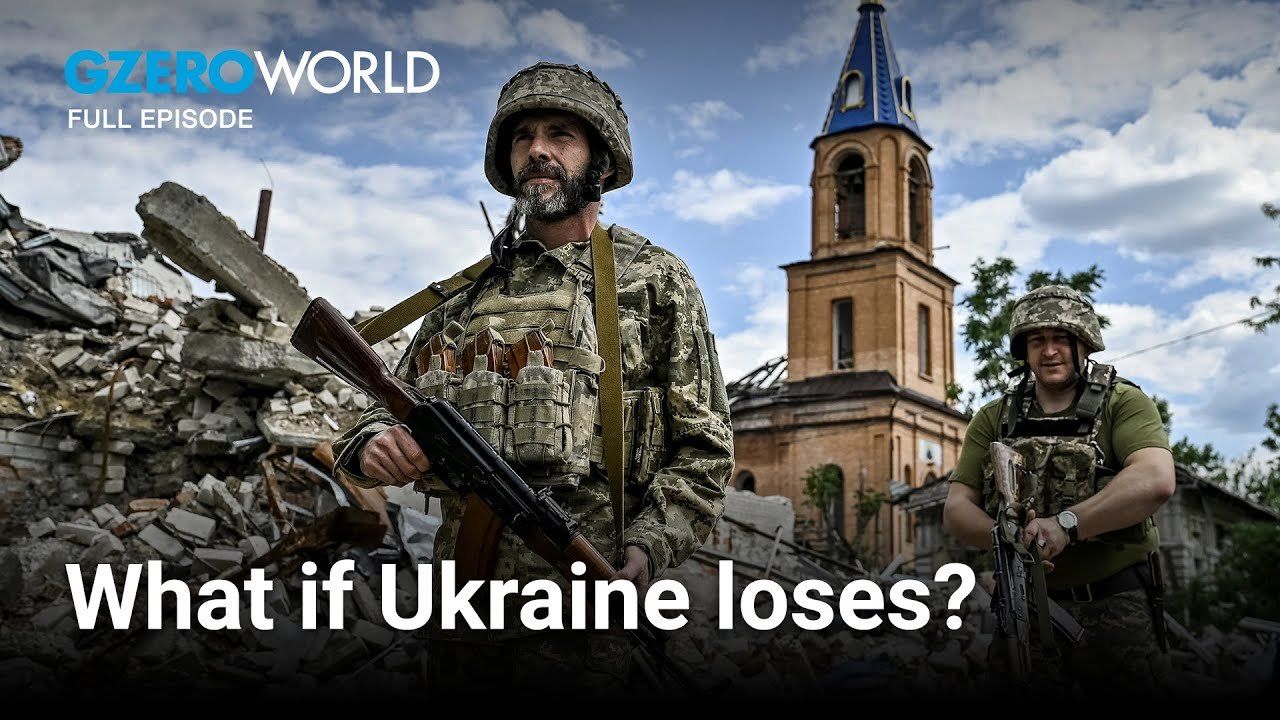
Is Russia winning the war in Ukraine? | GZERO World with Ian Bremmer
What would Ukraine’s defeat look like? Over two years into this bloody conflict, Russia has never been as close to victory as it is today. “When the history of this war is written,” former US Ambassador to NATO Ivo Daalder tells Ian Bremmer, “I think we’ll look back on the last six months as really… the turning point." Daalder joins Bremmer on the latest episode of GZERO World from Tallinn, Estonia, just a couple hundred miles from the Russian border.
"We need to start having a conversation about how serious this is, and are we going to accept this?" In a sobering and wide-ranging interview, Daalder outlines Russia's advantage on the battlefield today. “They just have more people, they have more guns, and importantly, it looks like they have more and better morale, which makes them willing to do things that otherwise people aren't willing to do."
How much is this battlefield mismatch due to a delay in US support? A big part of it, says Daalder. “Congress refusing to act on the requests that the president first made back in July…and nothing happening until mid-April” was a major blow to Ukraine’s defenses, Daalder says. “And now it just takes time to get stuff to the front and get it across the border and to the units in the quantities to make it happen.”
Is it too late for the West to help Ukraine ward off total defeat? And what would lasting peace, as remote as it might seem now, look like?
In this Quick Take, Ian Bremmer breaks down Brazilian President Luiz Inácio Lula da Silva’s historic re-election victory and what it means for the country’s political future and democracy.
Could replacing Benjamin Netanyahu change Israel’s direction? Brett McGurk explains why a government led by Gadi Eisenkot would likely maintain Israel’s security doctrine while taking a different approach to the West Bank.
The competition to master this technology shapes everything from high-level tensions between the US and China to the local politics of where to build data centers.