April 08, 2024
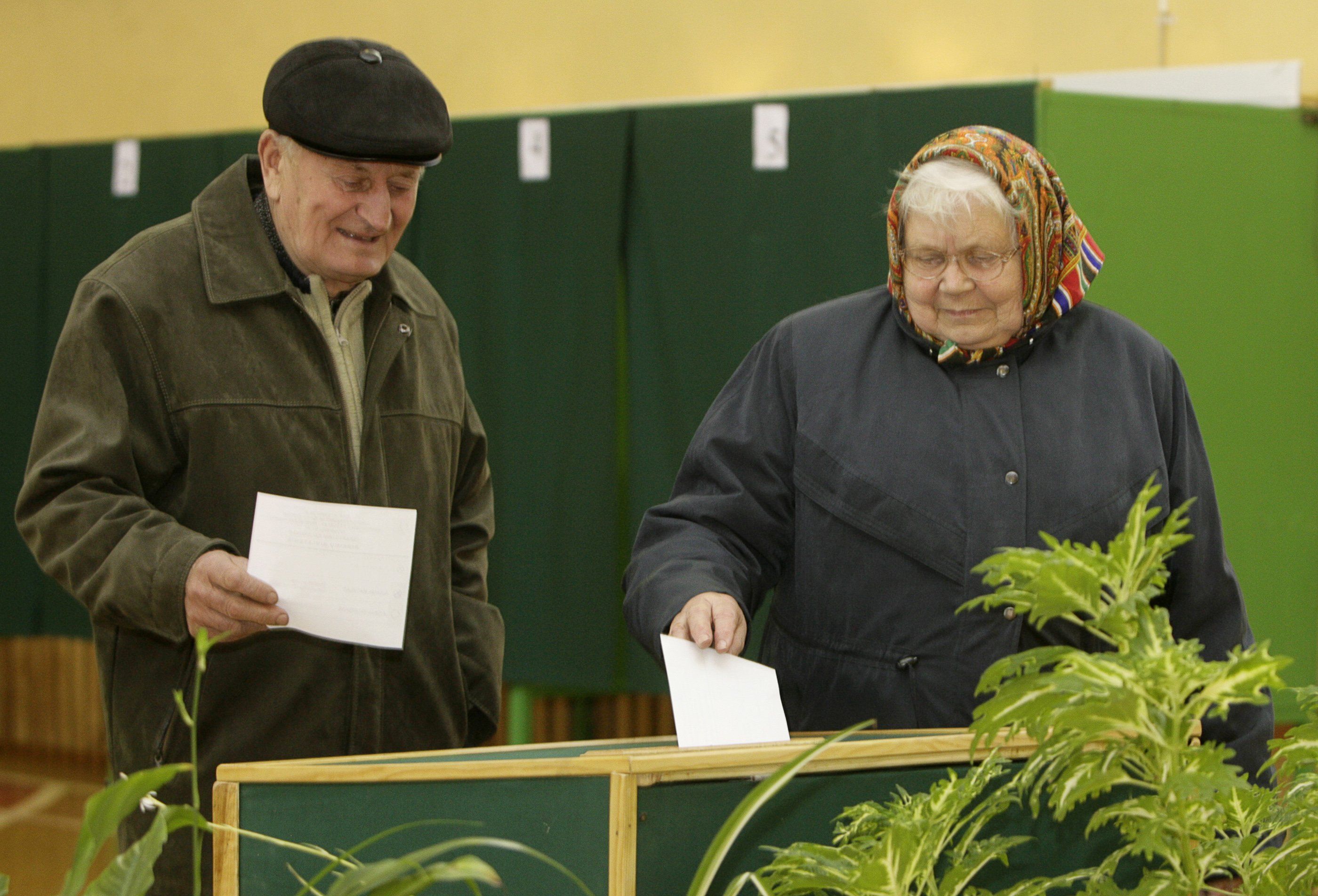
In May, the largest of the three Baltic states will hold a presidential election in May. The clear frontrunner is incumbent Nauseda Giranas, a former economist elected in 2019.
The president controls Lithuania’s foreign policy, which under Gitanas has shown strong support for Ukraine as well as for dissidents fleeing the autocracy of Alexander Lukashenko in neighboring Belarus.
But Gitanas 30% support wouldn’t be enough to win in the first round, meaning he’ll likely face a runoff challenge from one of the two other main candidates: right-wing lawyer Christian Vegele who is polling at 16% on a populist and socially conservative platform targeting LGBTQ rights in particular, and the center-right Ingrida Šimonytė, currently Prime Minister, who polls just behind him.
A light roast: Gitanas is expected to win in either scenario, but he did get dinged by the electoral authorities recently for offering a coffee date on social media as a way to boost signatures for his candidacy.
In October, Lithuania will hold parliamentary elections. There, the opposition Lithuanian Social Democrat Party (LSDP) is looking to build on its success in municipal elections last year to take down the current center-right coalition government, a three party coalition led by the Homeland Union/Lithuanian Christian Democrats (TS-LKD). The race promises to be very tight: the Social Democrats are currently polling first with 23% support, with the TS-LKD in second at 14%. But the TS-LKD’s coalition partners are at a combined 12%.
More For You
Medical workers treat injured people at Ameth Bek hospital after a drone strike on a market in the disputed Abyei region along the border between South Sudan and Sudan, October 19, 2026.
REUTERS/Medecins Sans Frontieres
South Sudan is accusing neighboring Sudan of launching a drone strike that killed at least 73 people at a market in Abyei, a disputed, oil-rich region of roughly 4,000 square miles claimed by both countries.
Most Popular
- YouTube
In this Quick Take, Ian Bremmer says President Donald Trump's approach to the war in Ukraine is putting more pressure on President Volodymyr Zelensky and raising concerns among European allies about the future of NATO.
Protesters set up barricades and burn materials near Place de la Republique in Paris, France, on October 18, 2026, the day following a large demonstration.
Jerome Gilles via Reuters Connect
Ongoing student protests in France descended into looting and riots over the weekend as more than half a million people took to the streets across the country.
After his father was killed in a plane crash in 2023, Pavel was tapped to lead Wagner.
© 2025 GZERO Media. All Rights Reserved | A Eurasia Group media company.