GZERO World Clips
Petraeus: Putin has united his adversaries
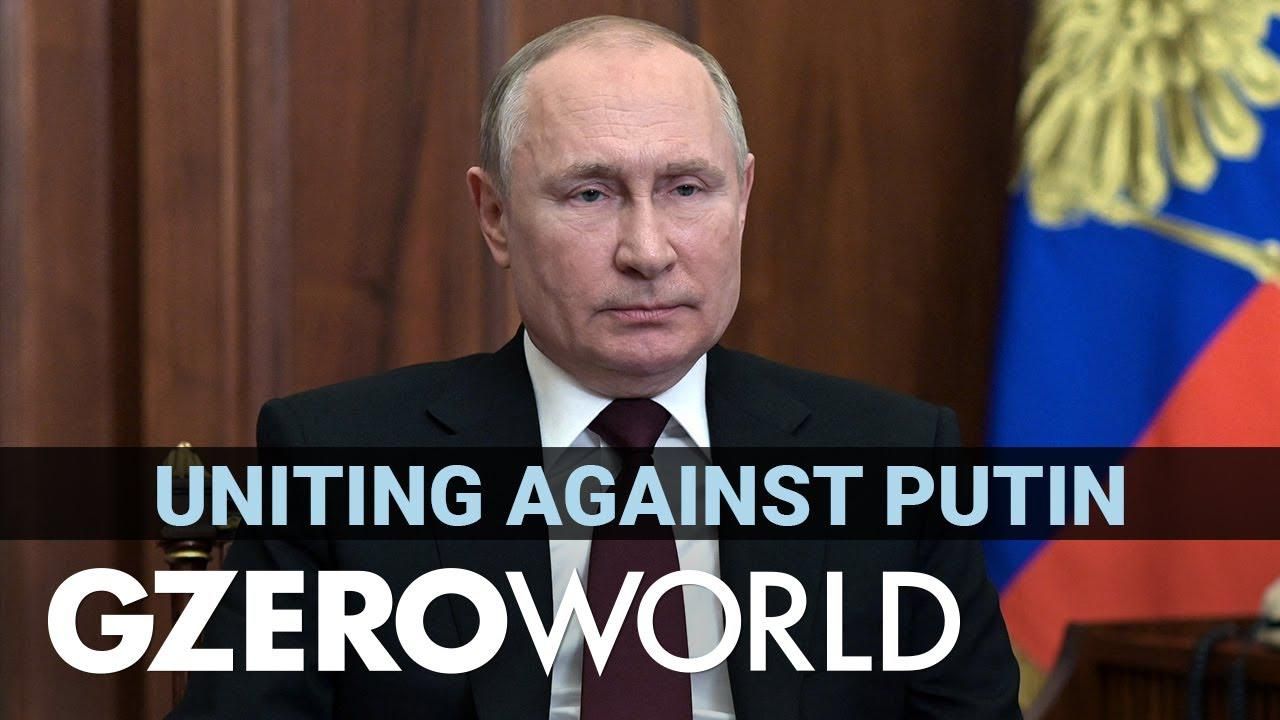
Petraeus: Putin Has United His Adversaries | GZERO World
For former CIA chief David Petraeus, the Russian leader has miscalculated — big time. The Russian president shook the tree, and what came out is NATO unity — exactly the opposite of what he was counting on.
"Putin has managed to unite NATO in a way that nothing else has since the end of the Cold War, other than his annexation of Crimea and invasion of the Donbas in 2014," he explains. "He has really given NATO a reason to live again."
What's more, Petraeus thinks Putin is now digesting the "porcupine" he's eaten, which won't go down easily.
Watch the GZERO World episode: Ukraine War: Has Putin overplayed his hand?
China has defied Western sanctions for years and buys as much as 90% of Iran’s oil exports.
Think you know what's going on around the world? Here's your chance to prove it.
President Bola Tinubu faces strong headwinds in his bid for a second term.
Critics have said that Zelensky – now in his seventh year in office – has been in power for too long.