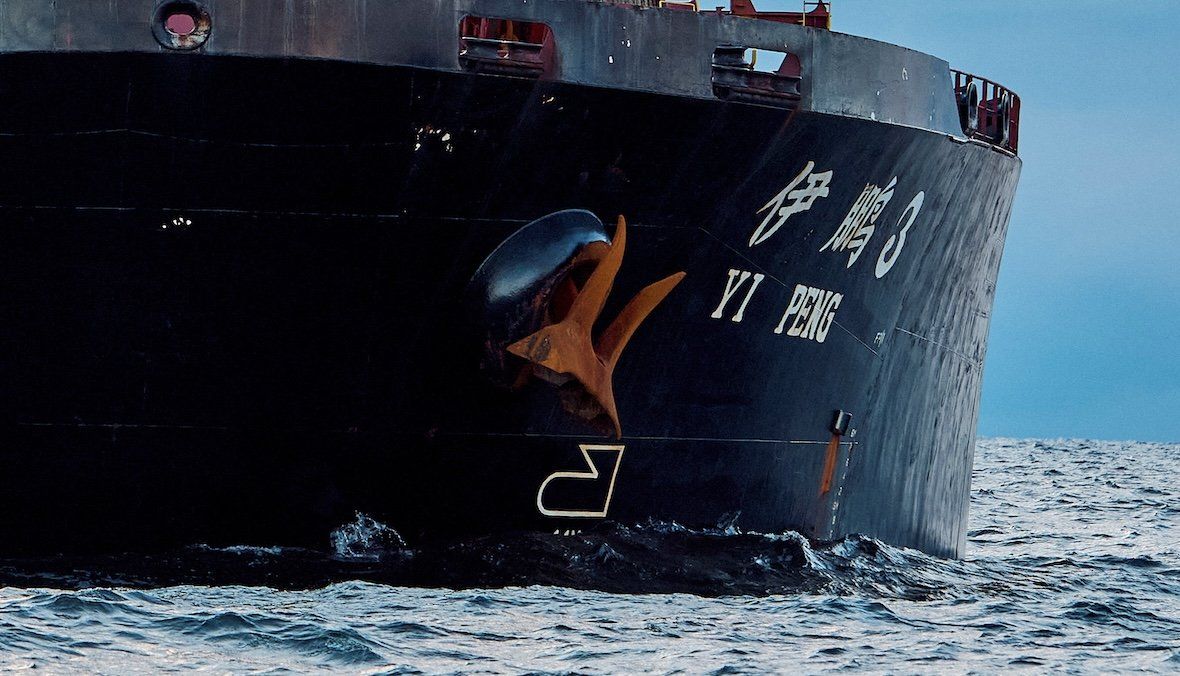
On Nov. 17 and 18, two underwater Baltic Sea communications cables – one connecting Sweden with Lithuania and the other Finland with Germany – were cut under suspicious circumstances. Many in Europe initially suspected deliberate sabotage by Russia, but a preliminary investigation found that a Chinese cargo ship had passed through the Baltic Sea near each cable around the time they were severed.
A year ago, you’ll recall that another Chinese-flagged vesseldragged an anchor that damaged an undersea gas pipeline between Finland and Estonia.
This latest Chinese vessel is now anchored in international waters between Sweden and Denmark, and Swedish authorities, without leveling any accusation, have requested that the ship enter Swedish waters and welcome inspectors on board to investigate. It remains unclear whether the Chinese ship will comply.
This episode comes at a time of heightened alert for Russian sabotage attacks on European infrastructure in response to EU support for Ukraine. In particular, Russian involvement is suspected in a number of fires and mail bombs across the continent.