The Graphic Truth: Lebanon's economic implosion
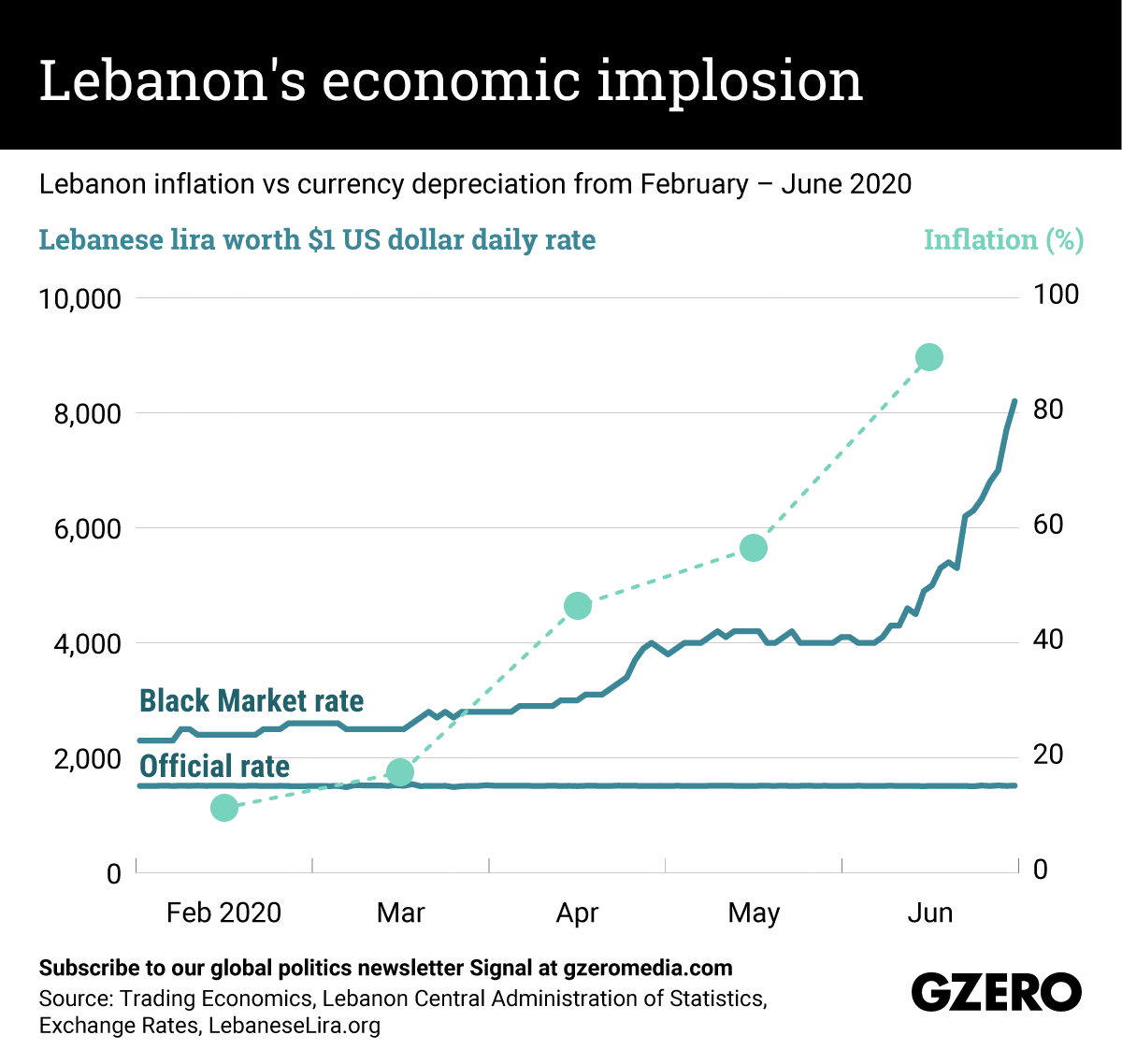
Even before last week's explosion — which killed over 200 people, turned downtown Beirut into rubble, and forced the government to resign — Lebanon was already in economic dire straits. The value of the local currency has plunged following decades of corruption, mismanagement and political chaos, dragging about half of the population into poverty. Since the beginning of 2020, the depreciation of the Lebanese pound (on the black market, while the official rate remains somewhat pegged to the US dollar) and soaring inflation have increased the price of basic goods beyond what most citizens can afford, and wiped out pensions and salaries. If the situation does not improve soon, Lebanon could see unprecedented levels of hunger — and international assistance may not be enough to feed everyone. We compare how the Lebanese pound has traded with the US dollar amid rapidly rising inflation over the first half of the year.
A Democrat won Miami’s mayoral race for the first time in nearly 30 years. The Republican defeat will ring some alarms for the party – and their support among Latino voters.
Walmart’s $350 billion commitment to American manufacturing means two-thirds of the products we buy come straight from our backyard to yours. From New Jersey hot sauce to grills made in Tennessee, Walmart is stocking the shelves with products rooted in local communities. The impact? Over 750,000 American jobs - putting more people to work and keeping communities strong. Learn more here.